The Hidden Truth About Quinoa: Complete Protein or Not?
Quinoa is a complete protein with all essential amino acids. It's versatile, nutrient-dense, and a great choice for plant-based diets.

Key Takeaways
- ✓Quinoa is often celebrated as a complete protein, but there's more to the story.
- ✓It contains all nine essential amino acids, making it unique among plants.
- ✓Quinoa's protein content is lower than some animal sources, but it's an excellent choice for plant-based diets.
- ✓Incorporating quinoa into meals can enhance nutritional balance.
- ✓Cooking methods and pairings can affect quinoa's nutritional benefits.
- Quinoa is often celebrated as a complete protein, but there’s more to the story.
- It contains all nine essential amino acids, making it unique among plants.
- Quinoa’s protein content is lower than some animal sources, but it’s an excellent choice for plant-based diets.
- Incorporating quinoa into meals can enhance nutritional balance.
- Cooking methods and pairings can affect quinoa’s nutritional benefits.
It’s 7 PM, and you’re staring at your pantry, wondering what to whip up for dinner. You’ve heard that quinoa is a nutritional powerhouse, but is it really the complete protein everyone says it is? The hidden truth about quinoa might surprise you. In fact, the hidden truth about its nutritional benefits goes beyond just protein content.
Understanding Quinoa’s Protein Profile
Quinoa is often touted as a complete protein, but what does that really mean? In the world of nutrition, a complete protein contains all nine essential amino acids that your body can’t produce on its own. These amino acids are crucial for various bodily functions, including muscle repair and immune support.
The Science Behind Complete Proteins
Most plant-based foods lack one or more essential amino acids, making them incomplete proteins. However, quinoa breaks this mold. According to research from Harvard Health, quinoa contains all nine essential amino acids, making it unique among plant-based foods.
But here’s where it gets interesting: while quinoa is a complete protein, the concentration of these amino acids isn’t as high as in animal proteins like chicken or beef. For instance, a cup of cooked quinoa contains about 8 grams of protein, whereas a similar serving of chicken can offer over 20 grams. Therefore, while quinoa is a valuable protein source, it shouldn’t be your sole source in a high-protein diet.
Quinoa vs. Animal Proteins
Comparing quinoa to animal proteins isn’t entirely fair because they serve different dietary roles. Quinoa is an excellent choice for those looking to reduce animal protein intake or follow a vegetarian or vegan diet. It’s nutrient-dense and offers fiber, magnesium, and other essential nutrients that animal proteins might lack.
For those on plant-based diets, combining quinoa with other plant proteins like beans or lentils can enhance the overall amino acid profile, creating a more balanced meal. This is similar to pairing rice and beans to achieve a complete protein source.
Quinoa’s Nutritional Benefits Beyond Protein
While its protein content is often highlighted, quinoa offers a host of other nutritional benefits. It’s rich in fiber, which aids digestion and helps maintain a healthy weight by promoting satiety.
Fiber and Digestive Health
Think of fiber as a broom for your digestive tract. It sweeps through your intestines, promoting regular bowel movements and preventing constipation. A diet high in fiber can also lower cholesterol levels and reduce the risk of heart disease.
According to the Mayo Clinic, incorporating fiber-rich foods like quinoa into your diet can also help control blood sugar levels, making it a smart choice for those managing diabetes.
Quinoa as a Source of Micronutrients
Quinoa is also packed with essential vitamins and minerals, such as magnesium, potassium, and iron. These micronutrients play vital roles in maintaining healthy bones, regulating blood pressure, and supporting oxygen transport in the blood.
Magnesium, in particular, is often overlooked but is crucial for muscle and nerve function. The NIH states that many people don’t get enough magnesium, making quinoa a valuable addition to your diet.
How to Maximize Quinoa’s Nutritional Benefits
Cooking and preparing quinoa properly can enhance its nutritional profile. Rinsing quinoa before cooking removes saponins, bitter compounds that can affect taste and digestibility.
Cooking Tips for Better Nutrition
Cooking quinoa with vegetable broth instead of water can infuse additional nutrients and flavors. Adding a splash of lemon juice or vinegar can help improve iron absorption, especially important for those on plant-based diets.
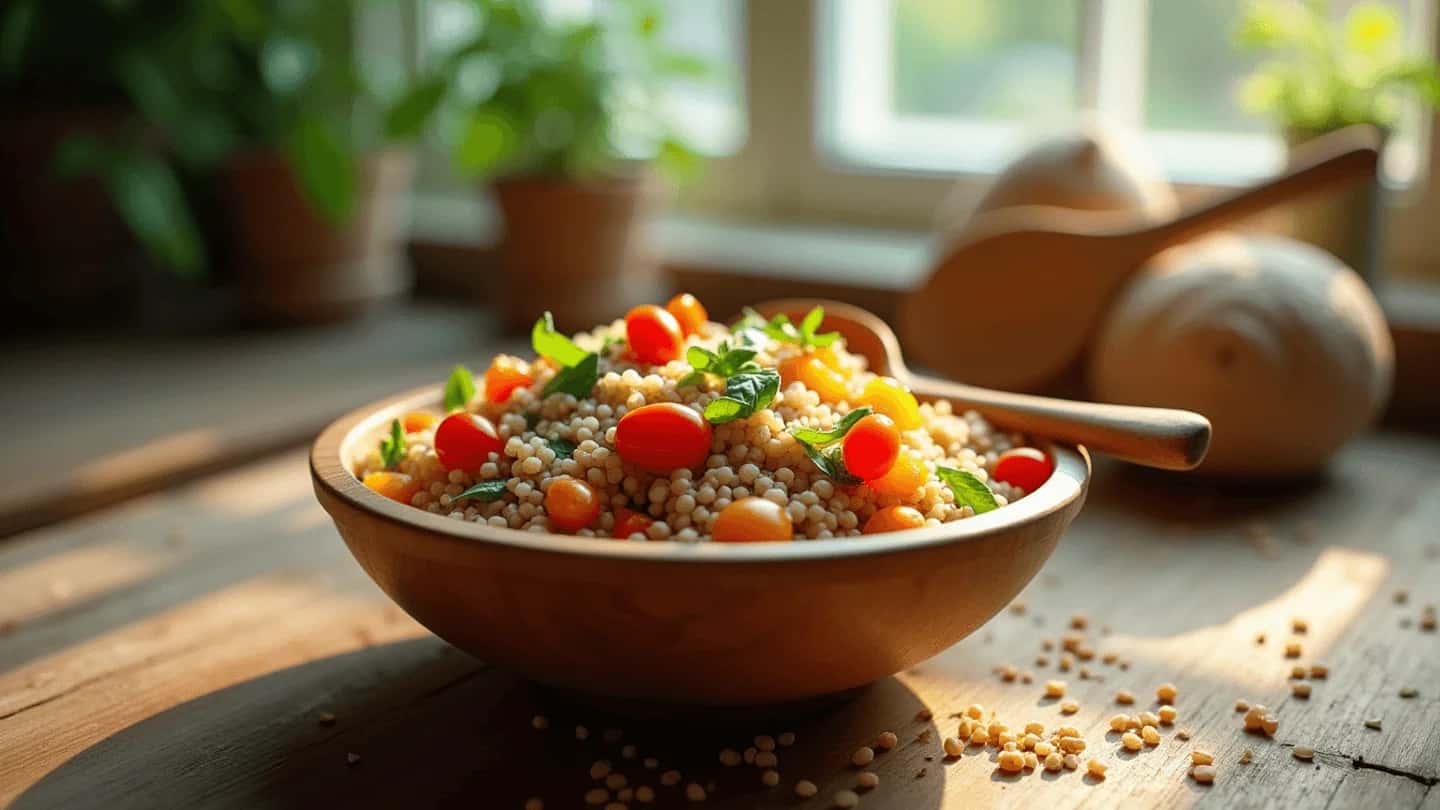
Pairing quinoa with vitamin C-rich foods like bell peppers or tomatoes can further boost its iron absorption. As the CDC points out, vitamin C enhances non-heme iron absorption, which is the type found in plant-based foods.
Creative Quinoa Recipes
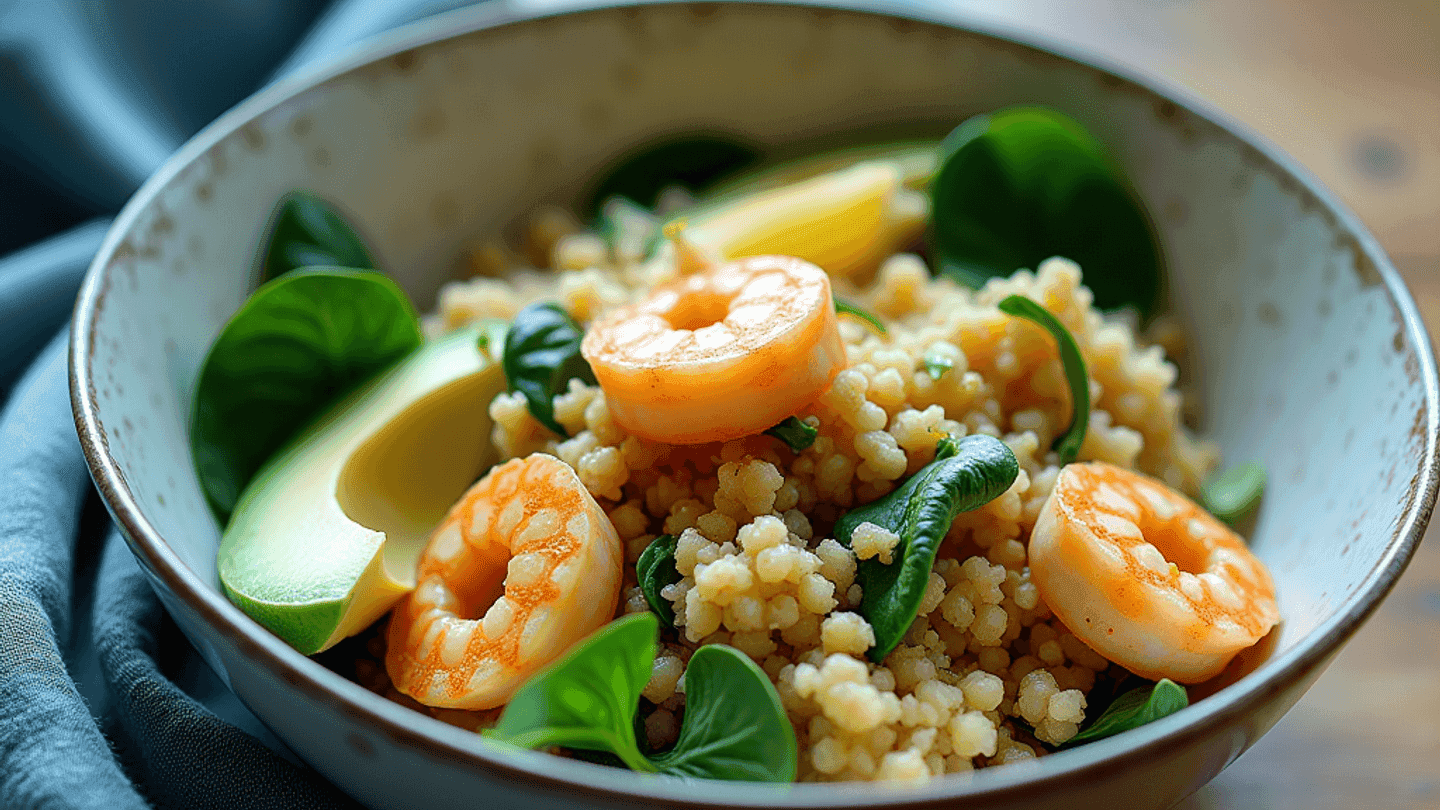
Quinoa is incredibly versatile. Whether you’re making a salad, stir-fry, or even a breakfast bowl, quinoa can fit naturally into any meal. Try our Avocado & Asparagus Quinoa Bowl for a nutrient-dense option.
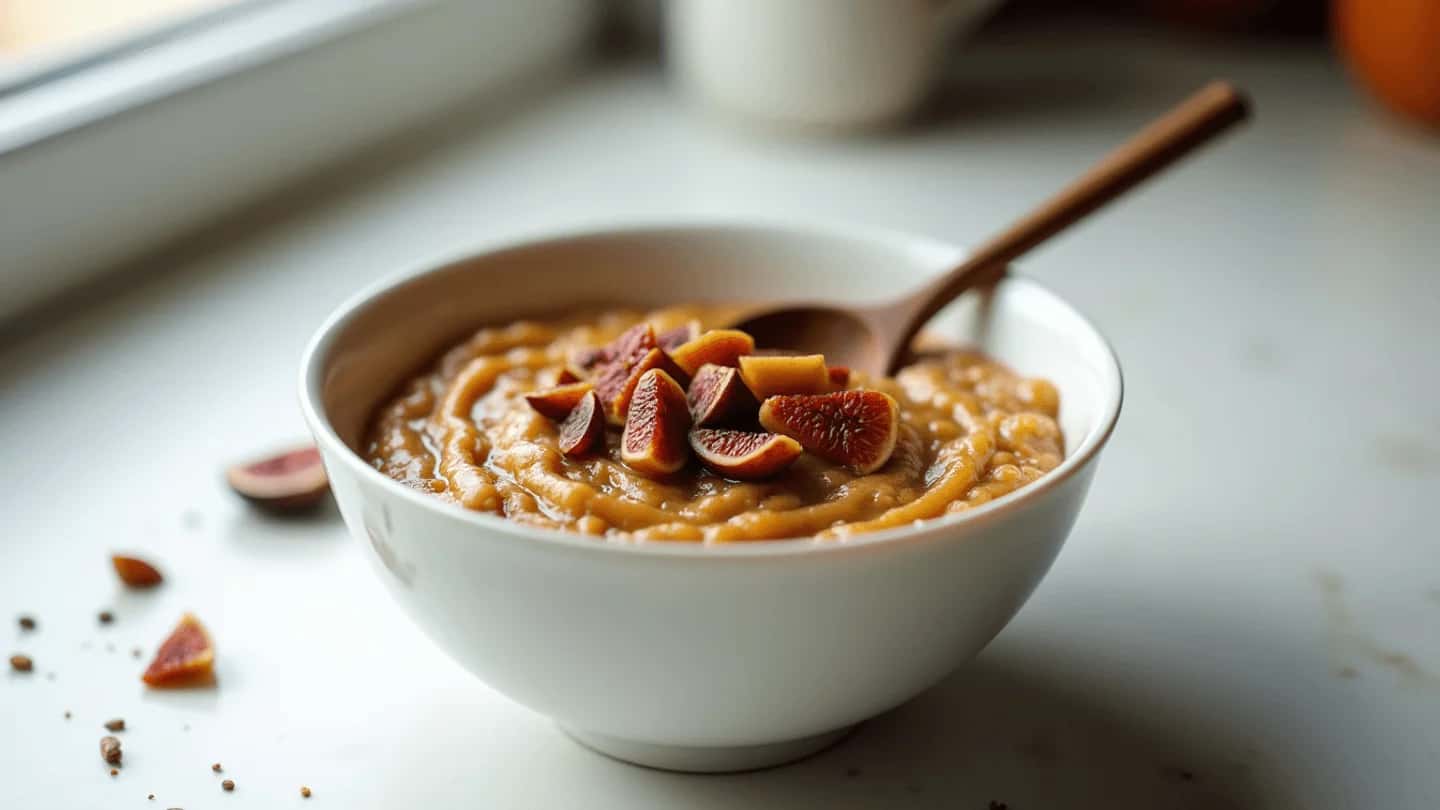
For a sweet twist, consider making a quinoa pudding with almond milk and your favorite fruits. The possibilities are endless, making quinoa a staple in any health-conscious kitchen.
Quick FAQ
Is quinoa really a complete protein?
Yes, quinoa contains all nine essential amino acids, making it a complete protein among plant-based foods. However, its protein concentration is lower than some animal sources.
Can quinoa help with weight management?
Quinoa is high in fiber, which can promote satiety and help control weight. It’s also nutrient-dense, offering a range of vitamins and minerals.
How can I enhance quinoa’s nutritional benefits?
Rinse quinoa before cooking to remove saponins. Pair it with vitamin C-rich foods to boost iron absorption and cook with broth for added nutrients.
Is quinoa suitable for a gluten-free diet?
Yes, quinoa is naturally gluten-free, making it a safe choice for those with celiac disease or gluten intolerance.
Conclusion
The hidden truth about quinoa is that while it is a complete protein, its true value lies in its versatility and nutrient density. Incorporating quinoa into your diet can enhance your meals’ nutritional profile, especially when paired with other nutrient-rich foods. It’s more than just a trendy grain; it’s a valuable ally in a balanced diet.