Reviving Ancient Grains in Modern Diets
Ancient grains like quinoa and farro are regaining popularity due to their rich nutrients and health benefits. Discover how to include them in your diet.

Key Takeaways
- ✓Ancient grains offer higher nutrients than modern grains
- ✓They are a sustainable choice for agriculture
- ✓Incorporating them into your diet is simple and beneficial
- ✓Many ancient grains are gluten-free options
- ✓They support digestive health with high fiber content
Ancient grains are making a comeback in modern diets, captivating health enthusiasts with their rich history and nutritional benefits. These unique grains, which have remained largely unchanged for hundreds or even thousands of years, are now finding their way into contemporary kitchens worldwide. But what makes them so special, and why are they experiencing a resurgence?
What Are Ancient Grains?
Ancient grains refer to a variety of grains and seeds that have been cultivated for centuries, largely unchanged by selective breeding. Examples include quinoa, farro, spelt, amaranth, and millet. Unlike modern wheat, these grains have retained their original form, offering a unique taste and texture.
Nutritionally, ancient grains are powerhouses. They often contain higher levels of protein, fiber, and essential vitamins and minerals compared to more commonly consumed grains. For instance, quinoa is a complete protein, meaning it contains all nine essential amino acids. This makes it an excellent choice for vegetarians and vegans.
Health Benefits of Ancient Grains
Incorporating ancient grains into your diet can provide numerous health benefits. They are typically rich in antioxidants, which help protect your body from oxidative stress. Moreover, their high fiber content supports digestive health by promoting regular bowel movements and feeding beneficial gut bacteria.
Additionally, ancient grains have a low glycemic index, which means they have a slower impact on blood sugar levels. This can be particularly beneficial for individuals managing diabetes or those looking to maintain steady energy levels throughout the day.
How to Include Ancient Grains in Your Diet
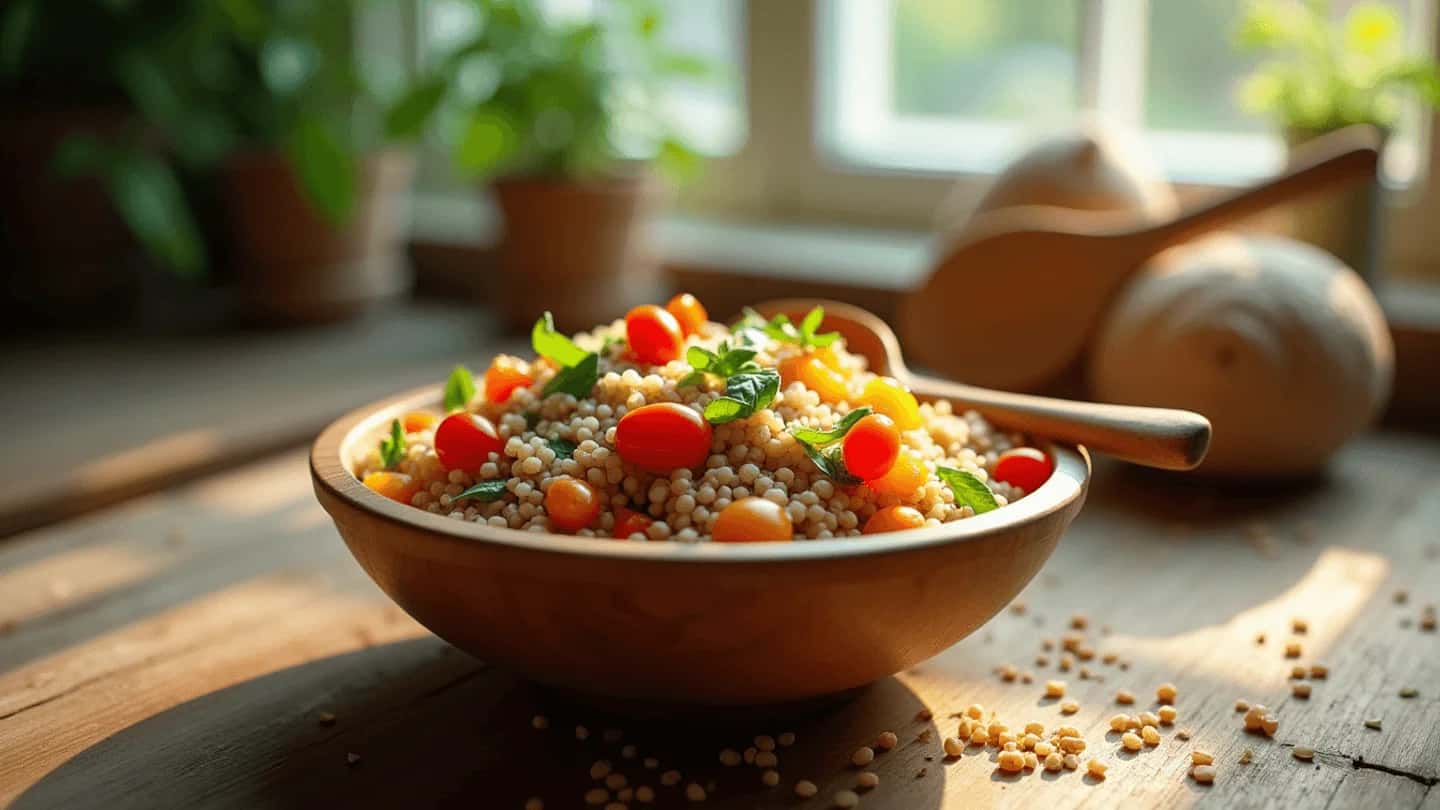
Adding ancient grains to your meals is easier than you might think. They can be used in a variety of dishes, from hearty salads to warm breakfast porridges. Quinoa, for example, can be a fantastic substitute for rice or pasta. It pairs well with roasted vegetables, lean proteins, and tangy dressings.
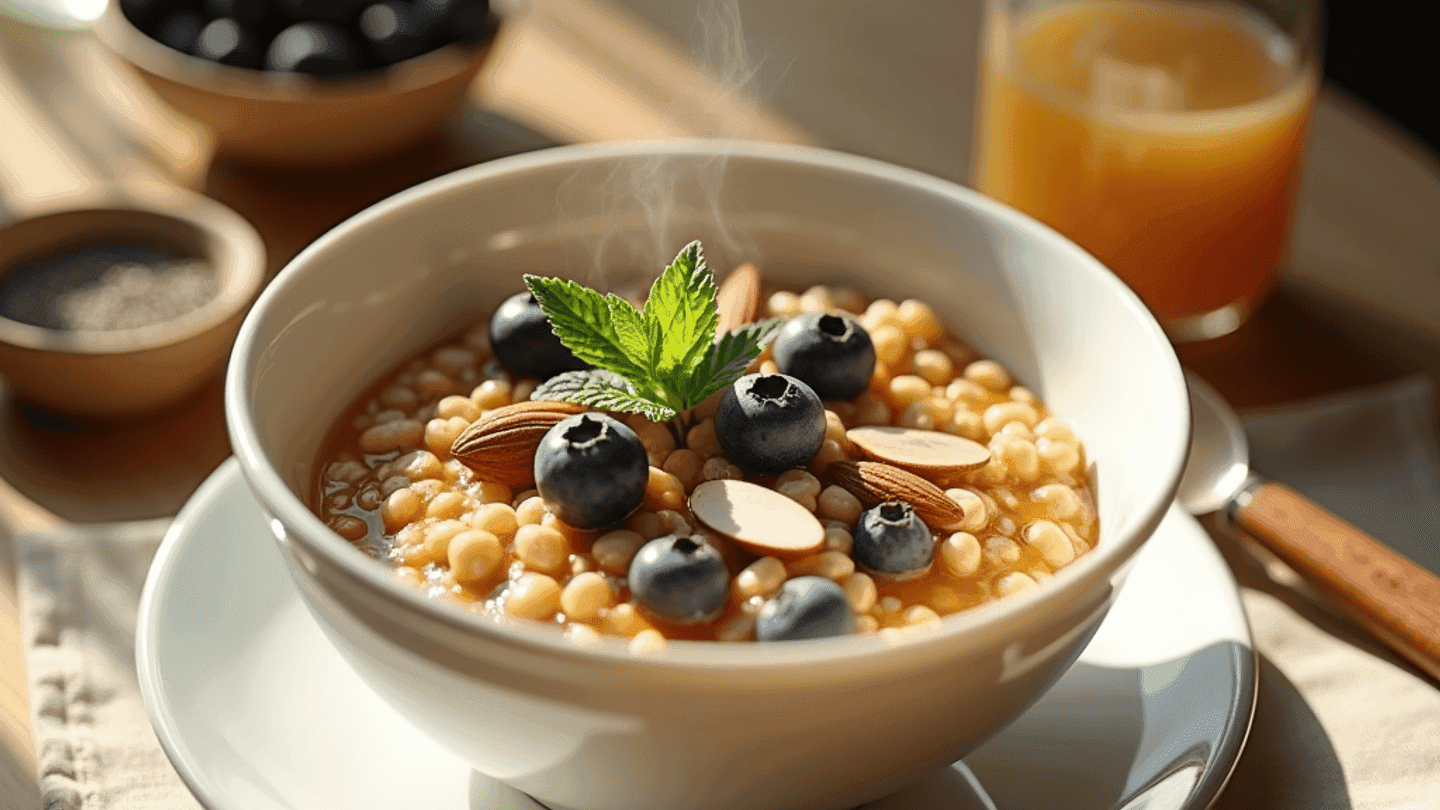
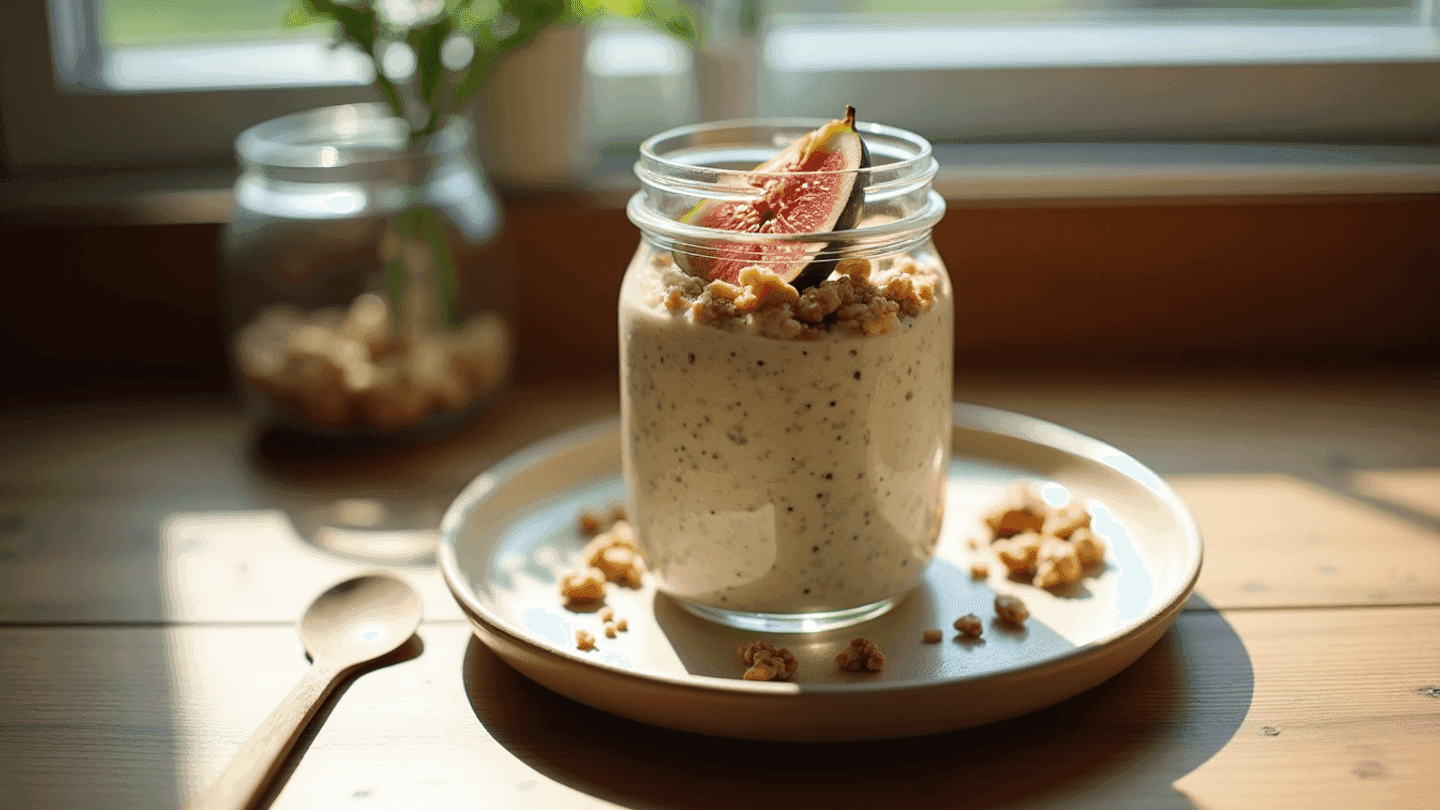
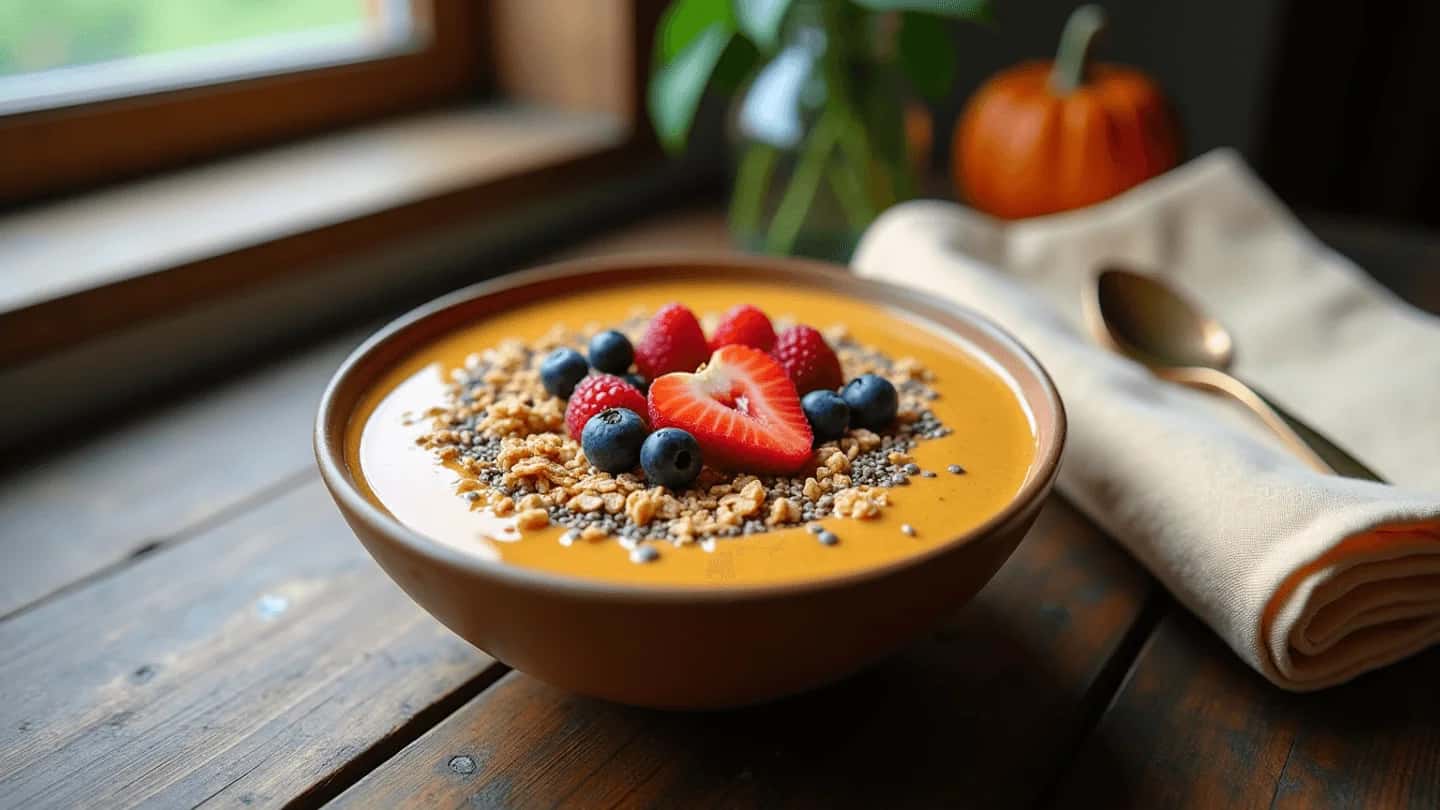
For a nutritious breakfast, consider making a porridge with amaranth or millet. Cooked with almond milk and topped with fresh fruits and nuts, these grains provide a wholesome start to your day. Explore different recipes to find what suits your taste and dietary needs.
The Environmental Impact of Ancient Grains
Beyond their health benefits, ancient grains also offer environmental advantages. Many of these grains are hardy and require less water and fewer pesticides than modern wheat varieties. This makes them a more sustainable choice for agriculture, particularly in regions facing water scarcity.
By choosing to incorporate ancient grains into your diet, you’re not only benefiting your health but also supporting more sustainable farming practices. This dual benefit makes ancient grains an attractive option for environmentally conscious consumers.
FAQ
Are ancient grains gluten-free?
Not all ancient grains are gluten-free. Quinoa, amaranth, and millet are naturally gluten-free, while spelt and farro contain gluten. Always check labels if you have gluten sensitivities.
Can I find ancient grains in regular grocery stores?
Yes, many grocery stores now stock a variety of ancient grains. Look in the health foods section or the grains aisle. They’re also widely available online.
How do I cook ancient grains?
Cooking methods vary by grain. Generally, rinse them thoroughly and cook in water or broth until tender. Follow specific package instructions for best results.
Why are ancient grains considered healthier?
Ancient grains are often less processed and retain more nutrients than modern grains. Their high fiber and protein content contribute to their health benefits.
To explore more about the nutritional benefits of ancient grains, visit the USDA’s website.
Scientific References
- Whole-grain consumption and its effects on hepatic steatosis and liver enzymes in patients with non-alcoholic fatty liver disease: a randomised controlled clinical trial (Masoumeh Dorosti, Ali Jafary Heidarloo, Farnush Bakhshimoghaddam et al., 2019) | View Study ↗
- Association between dietary fibre intake and fruit, vegetable or whole-grain consumption and the risk of CVD: results from the PREvención con DIeta MEDiterránea (PREDIMED) trial (P. Buil-Cosiales, E. Toledo, J. Salas‐Salvadó et al., 2016) | View Study ↗
- Whole grain intake and cardiovascular disease: a meta-analysis (P. Mellen, Thomas F. Walsh, D. Herrington, 2008) | View Study ↗
- A Whole-Grain Diet Reduces Cardiovascular Risk Factors in Overweight and Obese Adults: A Randomized Controlled Trial (J. Kirwan, S. Malin, Amanda R. Scelsi et al., 2016) | View Study ↗