What Your Doctor Won’t Tell You About Joint Health
Explore surprising insights on joint health and inflammation. Discover how nutrition, exercise, and stress management can support your joints effectively.

Key Takeaways
- ✓Inflammation can be both protective and harmful
- ✓Nutrition plays a crucial role in maintaining joint health
- ✓Exercise strengthens muscles around joints, reducing strain
- ✓Supplements complement a healthy lifestyle, not replace it
- ✓Managing stress helps lower inflammation and pain sensitivity
What your doctor won’t tell you about joint health could fill a book, but let’s start with a simple contrast: inflammation is not always the enemy. While chronic inflammation can wreak havoc on your joints, acute inflammation is your body’s natural way of healing. So, what’s the balance, and how can you support your joint health more effectively? What your doctor won’t always emphasize is that understanding this balance is crucial.
Understanding Inflammation: Friend or Foe?
Inflammation often gets a bad rap, but it’s crucial to understand its role. Acute inflammation is your body’s immediate response to injury or infection, helping to protect and heal tissues. In the case of joints, this means reducing damage and facilitating repair. However, chronic inflammation is a different story. This persistent, low-grade inflammation can lead to joint damage and diseases like arthritis. Your doctor might not always emphasize the nuances of this balance, but recognizing it is key to managing your joint health. What your doctor won’t tell you is that lifestyle changes can address the root causes of chronic inflammation.
Here’s the thing: while medications can help manage symptoms, lifestyle changes can address the root causes of chronic inflammation. For instance, incorporating anti-inflammatory foods like fatty fish, leafy greens, and nuts into your diet can make a significant difference. According to the National Institutes of Health, omega-3 fatty acids are particularly beneficial for reducing inflammation. Learn more about how omega-3s fight inflammation here.
The Role of Nutrition in Joint Health
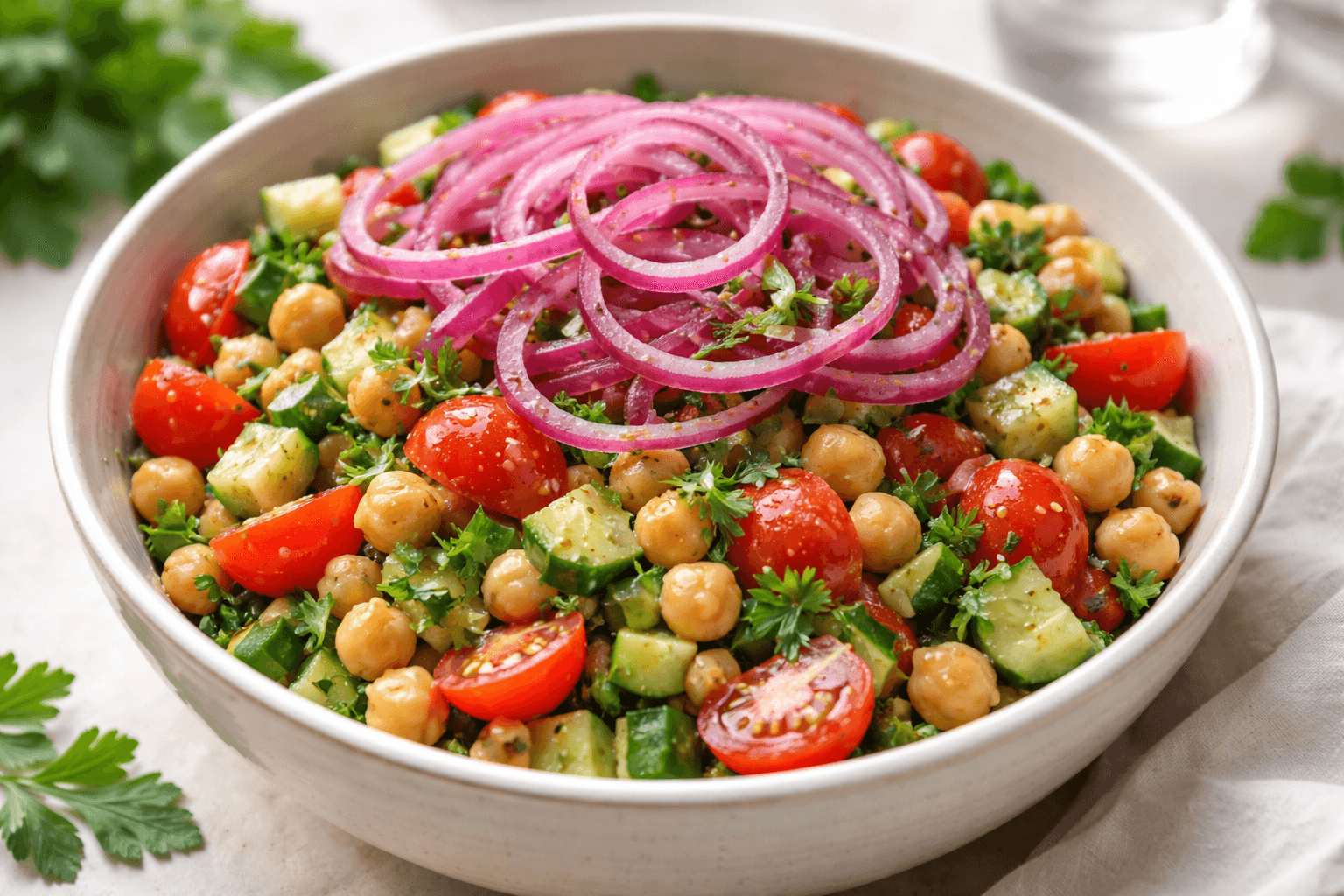
What your doctor won’t often highlight is the profound impact of nutrition on joint health. A balanced diet not only supports overall health but also specifically benefits your joints. Foods rich in antioxidants, such as berries and citrus fruits, combat oxidative stress, a major contributor to inflammation. Additionally, vitamin C is essential for collagen formation, a key component of cartilage.
Consider adding turmeric to your meals. Its active compound, curcumin, has potent anti-inflammatory properties. Studies have shown that curcumin can be as effective as some anti-inflammatory drugs without the side effects. But remember, absorption is key—pair turmeric with black pepper to enhance its bioavailability. For more tips on anti-inflammatory foods, check out our guide on anti-bloating foods.
Exercise: Not Just for Cardio
Exercise is often recommended for heart health, but its benefits extend to your joints too. Regular physical activity strengthens the muscles around your joints, providing better support and reducing strain. Low-impact exercises like swimming, cycling, or yoga are particularly beneficial, promoting flexibility without overloading your joints.
Surprisingly, not all doctors emphasize the importance of varied movement. Mixing up your routine not only keeps things interesting but also ensures all muscle groups are engaged, distributing stress evenly across your joints. If you’re new to exercise or have specific joint concerns, consulting a physiotherapist can provide personalized guidance. For more on staying active, see our article on Zone 2 Cardio benefits.
Supplements: A Complement, Not a Cure
Supplements can be part of your joint health strategy, but they’re not magic bullets. Glucosamine and chondroitin are popular for maintaining cartilage health, but scientific opinions are mixed. Some studies show benefits, while others indicate limited effects. It’s essential to approach supplements as a complement to a healthy lifestyle, not a replacement.
For those considering supplements, research-backed options like omega-3s and vitamin D are often recommended. Omega-3s reduce inflammation, while vitamin D supports bone health and immune function. However, always consult with a healthcare provider before starting any new supplement regimen. For more on supplement safety, read our guide on magnesium.
Stress and Joint Health: An Unexpected Connection
Here’s a surprise: stress can significantly impact your joint health. Chronic stress elevates cortisol levels, which can increase inflammation and pain sensitivity. This vicious cycle can exacerbate joint issues, making stress management an essential component of joint health.
Incorporating mindfulness practices such as meditation or deep breathing exercises can help lower stress levels. Regular relaxation practices reduce cortisol and promote a sense of well-being, indirectly benefiting your joints. For a closer look at stress management, explore our piece on wellness tips.
Common Questions About Joint Health
What dietary changes can help with joint inflammation?
Incorporating a diet rich in omega-3 fatty acids, antioxidants, and anti-inflammatory spices like turmeric can help manage joint inflammation. Reducing processed foods and sugars also benefits inflammation levels.
Are there specific exercises that improve joint health?
Low-impact exercises such as swimming, cycling, and yoga strengthen muscles around joints, promoting stability. Varied movements prevent overuse of specific joints and maintain flexibility.
How do stress levels affect joint health?
Chronic stress increases cortisol, leading to heightened inflammation and pain sensitivity. Managing stress through mindfulness and relaxation techniques can mitigate these effects.
Conclusion: Moving Forward with Joint Health
Improving your joint health involves a multi-faceted approach that integrates diet, exercise, stress management, and supplements. The next question most people ask is about the role of specific nutrients like vitamin D in joint health. For more on this, see our piece on Vitamin D’s importance.