3 Ways Ignoring Nutrition Affects Older Adults’ Health
Ignoring nutrition in older adults can lead to muscle loss, cognitive decline, and weakened immunity. Learn how to prevent these issues with simple dietary changes.

Key Takeaways
- ✓Ignoring nutrition leads to muscle loss and sarcopenia
- ✓Low omega-3 intake contributes to cognitive decline
- ✓Nutrient deficiencies weaken the immune system
- ✓Daily protein intake should increase to 1.0-1.2g/kg
- ✓Fruits, vegetables, and fish can improve overall health
Here’s a number to chew on: 1 in 3 older adults suffers from malnutrition, despite the abundance of food. Ignoring nutrition needs can impact older adults in 3 ways ignoring nutrition that may surprise you. Let’s dig into how neglecting diet affects health and what you can do about it.
Muscle Loss: The Invisible Thief
Here’s the thing — your muscles don’t age well without the right nutrition. Sarcopenia, or age-related muscle loss, sneaks up on many as they hit their 60s and beyond. Protein deficiency is a key culprit. Imagine your muscles as a bank account. If you’re not depositing enough protein, withdrawals — in the form of muscle loss — will catch up. Experts recommend 1.0 to 1.2 grams of protein per kilogram of body weight for older adults. This is a stark increase from the general RDA for younger adults.
Consider adding a daily serving of lean protein, like grilled chicken or lentils, to each meal. This not only helps in maintaining muscle mass but also supports overall energy levels. Learn more about dietary guidelines from the CDC.
Cognitive Decline: The Brain Fog Effect
Ignoring nutrition doesn’t just shrink muscles; it can also cloud your mind. Studies show that a diet low in essential nutrients like omega-3 fatty acids may contribute to cognitive decline. Think of omega-3s as the brain’s maintenance crew, keeping neurons firing efficiently. A lack of these fatty acids can lead to increased risks of dementia and Alzheimer’s disease.
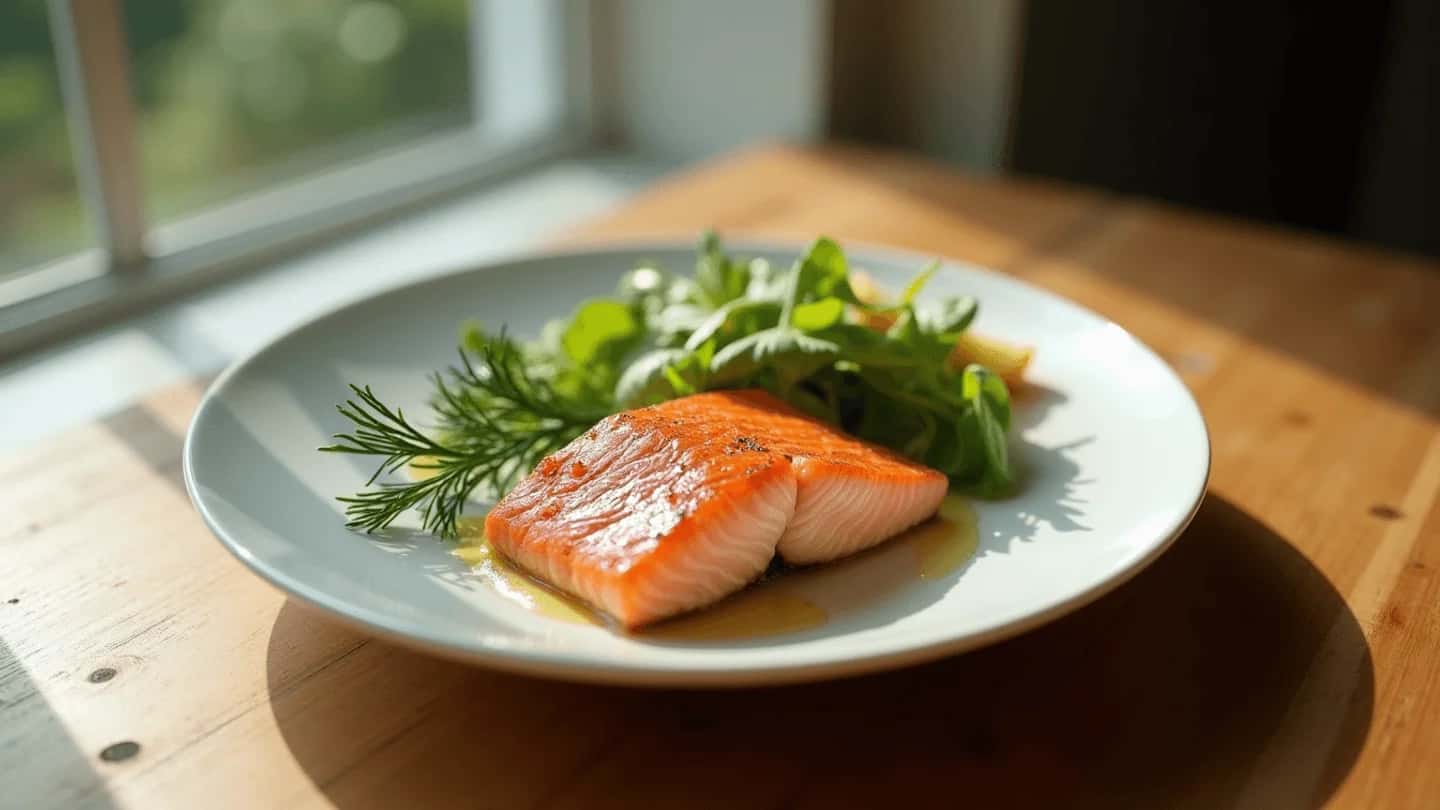
Here’s a simple fix: aim for two servings of fatty fish, such as salmon or mackerel, each week. If you’re not a fan of fish, consider a fish oil supplement, but remember to consult your doctor first.
3 Ways Ignoring Nutrition Affects Your Immune System
Your immune system is like a fortress, and nutrition is its foundational wall. Older adults often face a double whammy of weakened immunity and increased susceptibility to infections. A deficiency in vitamins like A, C, and E, as well as zinc, can be detrimental. These nutrients act as the fortress’s guards, repelling invaders and keeping the body healthy.
Strengthen your defenses by incorporating a rainbow of fruits and vegetables into your diet. Think bell peppers for vitamin C, almonds for vitamin E, and a handful of pumpkin seeds for zinc.
FAQ
How much protein should older adults consume daily?
Older adults should aim for 1.0 to 1.2 grams of protein per kilogram of body weight daily to maintain muscle mass and overall health.
What are the best dietary sources of omega-3s?
Fatty fish like salmon and mackerel are excellent sources of omega-3s. For vegetarians, flaxseeds and walnuts are good alternatives.
Can supplements replace a nutritious diet?
Supplements can fill gaps but should not replace a balanced diet. Always prioritize whole foods and consult your healthcare provider before starting any new supplement.
Take Action Today
Tonight, try adding 1 tablespoon of ground flaxseed to your morning smoothie. It’s a simple step to boost your omega-3 intake and support your cognitive health.
Scientific References
- Dietary patterns and chronic kidney disease outcomes: A systematic review (Quintela BCSF, Carioca AAF, de Oliveira JGR et al., 2021) | View Study ↗