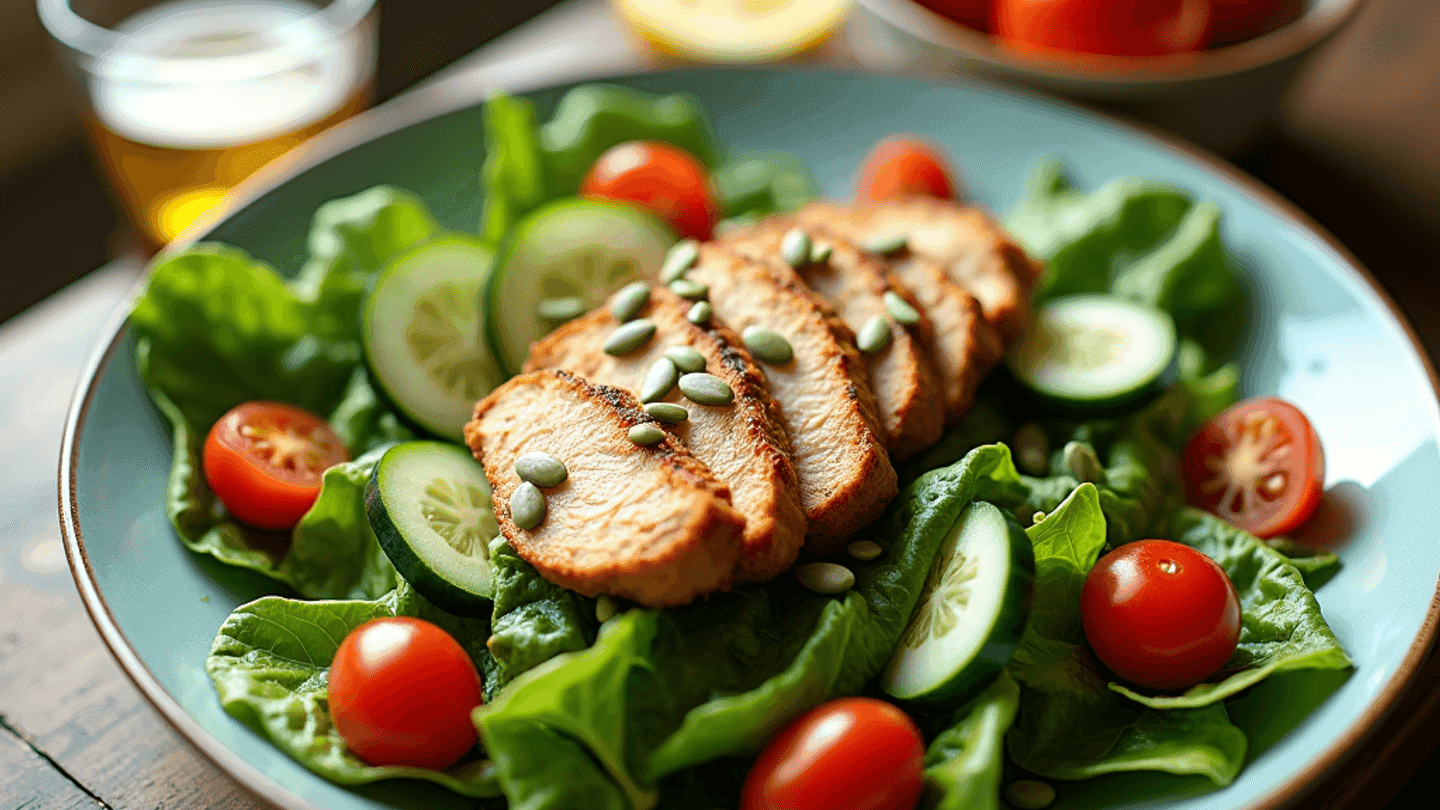
Why Eating Less May Not Lead to Weight Loss Success
Eating less doesn't always lead to weight loss. Metabolic adaptation, hormones, stress, and sleep all play roles. Explore effective strategies here.
Key Takeaways
- ✓Eating less doesn't always equate to losing weight due to metabolic adaptations.
- ✓Hormonal imbalances can disrupt weight loss efforts despite reduced calorie intake.
- ✓Stress and sleep quality significantly impact your body's ability to shed pounds.
- ✓Understanding the quality of calories is as important as the quantity.
- Eating less doesn’t always equate to losing weight due to metabolic adaptations.
- Hormonal imbalances can disrupt weight loss efforts despite reduced calorie intake.
- Stress and sleep quality significantly impact your body’s ability to shed pounds.
- Understanding the quality of calories is as important as the quantity.
I decided to eat less to shed some pounds. Two weeks in, my weight hadn’t budged, and I was baffled. Why eating less may not always result in weight loss became my burning question. Here’s what I found out.
The Metabolic Mystery
Why eating less may not lead to weight loss can be attributed to your body’s remarkable ability to adapt. The truth is, when you drastically reduce your calorie intake, your metabolism can slow down to conserve energy. This phenomenon, known as metabolic adaptation, means your body becomes more efficient at using fewer calories, according to a 2015 study published in Obesity Reviews. Essentially, your body acts like a fuel-efficient car, burning less energy for the same activities.
Furthermore, your body may start to break down muscle tissue for energy, especially if your protein intake is insufficient. Muscle mass plays a crucial part in maintaining a healthy metabolic rate. As a result, losing muscle can further slow down your metabolism, making weight loss even more challenging. To counteract this, consider incorporating strength training into your routine to preserve muscle mass.
Hormonal Havoc
Hormones play a significant role in regulating weight, and imbalances can undermine your efforts. For instance, the hormone leptin signals your brain to control hunger and satiety. When you eat less, your leptin levels may drop, increasing your appetite and making it harder to stick to a reduced-calorie diet, as highlighted in a study from the Journal of Endocrinology.
Additionally, cortisol, a stress hormone, can also interfere with weight loss. Elevated cortisol levels, often the result of chronic stress, can lead to increased fat storage, particularly around the abdomen. Thus, managing stress through techniques such as mindfulness or yoga can be beneficial in supporting weight loss goals.
The Stress and Sleep Connection
Why eating less may not yield desired weight loss results could also be linked to stress and poor sleep. Stress triggers the release of cortisol, which, as mentioned earlier, can promote fat storage. But it doesn’t stop there. Stress often leads to emotional eating, where you might reach for comfort foods that are high in calories.
Sleep is another critical factor. Inadequate sleep affects hunger hormones like ghrelin and leptin, increasing cravings for high-calorie foods. A 2020 meta-analysis found that insufficient sleep is associated with weight gain and obesity. Prioritizing sleep hygiene can be as important as dietary changes when aiming for weight loss.
Quality Over Quantity
Not all calories are created equal, which is why eating less may not always lead to shedding pounds. Consuming 100 calories of almonds impacts your body differently than 100 calories of candy. Whole foods, rich in fiber and nutrients, tend to keep you full longer and stabilize blood sugar levels, reducing the likelihood of overeating.
Focusing on nutrient-dense foods can also prevent nutrient deficiencies that might arise from a calorie-restricted diet. For example, including foods high in protein and healthy fats can support satiety and energy levels. Consider trying our Savory Pumpkin and Kale Frittata for a balanced meal option.
Why Eating Less May Not Be Enough: Exercise Matters
Exercise is often viewed as a means to burn calories, but its benefits extend beyond that. Regular physical activity helps improve insulin sensitivity, reduce inflammation, and increase muscle mass, all of which support weight management. According to a 2018 study in Sports Medicine, exercise can also enhance mood and reduce stress, indirectly supporting weight loss efforts.
Incorporating a mix of cardio and strength training exercises can be particularly effective. If you’re new to exercise, even activities like brisk walking can make a difference. Check out our article on the benefits of walking after meals for some inspiration.
Common Questions
Why isn’t my calorie deficit leading to weight loss?
Metabolic adaptation and hormonal imbalances could be slowing your progress. Your body might be conserving energy or experiencing increased hunger due to hormonal changes.
How does stress affect weight loss?
Stress raises cortisol levels, which can increase fat storage, especially around the abdomen. It also promotes emotional eating, making weight loss difficult.
Does sleep really impact my weight?
Yes, poor sleep disrupts hunger hormones, increasing cravings for unhealthy foods. Aim for 7-9 hours of quality sleep to support weight loss.
Should I focus more on diet or exercise?
Both are important. While diet directly affects calorie intake, exercise boosts metabolism, improves mood, and enhances overall health, making it easier to maintain a healthy weight.
The next question most people ask is how to balance nutrient intake while managing calories. That is a different problem with a different answer — see our piece on balancing blood sugar naturally.
Scientific References
- Treatment of NAFLD with diet, physical activity and exercise (Romero-Gómez M, Zelber-Sagi S, Trenell M, 2017) | View Study ↗
- Insufficient sleep undermines dietary efforts to reduce adiposity (Nedeltcheva AV, Kilkus JM, Imperial J et al., 2010) | View Study ↗
- Calorie Restriction with or without Time-Restricted Eating in Weight Loss (Liu D, Huang Y, Huang C et al., 2022) | View Study ↗
- Effect of Time-Restricted Eating on Weight Loss in Adults With Type 2 Diabetes: A Randomized Clinical Trial (Pavlou V, Cienfuegos S, Lin S et al., 2023) | View Study ↗