The Simple Way to Boost Omega-3 Intake for Better Health
Omega-3s are vital for health, but incorporating them is simpler than you think. Learn how to boost your intake with easy dietary tweaks and smart supplements.

Key Takeaways
- ✓Omega-3s are crucial for heart and brain health, yet many people miss out on them.
- ✓Incorporating omega-3-rich foods like fish and flaxseeds is easier than you think.
- ✓Supplements offer a convenient alternative for those struggling with dietary sources.
- ✓Understanding the types of omega-3s helps you make informed choices.
- Omega-3s are crucial for heart and brain health, yet many people miss out on them.
- Incorporating omega-3-rich foods like fish and flaxseeds is easier than you think.
- Supplements offer a convenient alternative for those struggling with dietary sources.
- Understanding the types of omega-3s helps you make informed choices.
Most people assume they need fancy supplements or exotic foods to get enough omega-3s. The truth is, the simple way to incorporate these essential fats is right under your nose, often hiding in foods you already enjoy.
Understanding Omega-3s: The Basics
Before diving into the simple way to boost your omega-3 intake, let’s understand what these fatty acids are. Omega-3s are a group of polyunsaturated fats vital for numerous bodily functions, including brain health and reducing inflammation. They’re called essential fats because your body can’t produce them; you need to get them through your diet.
There are three main types of omega-3 fatty acids: ALA (alpha-linolenic acid), found in plant oils; EPA (eicosapentaenoic acid), and DHA (docosahexaenoic acid), both primarily found in marine oils. While ALA is more common in Western diets, EPA and DHA are considered more potent, especially for heart and brain health. Research suggests that these fatty acids can lower the risk of chronic diseases like heart disease and improve cognitive function.
The Simple Way to Add Omega-3s to Your Meals
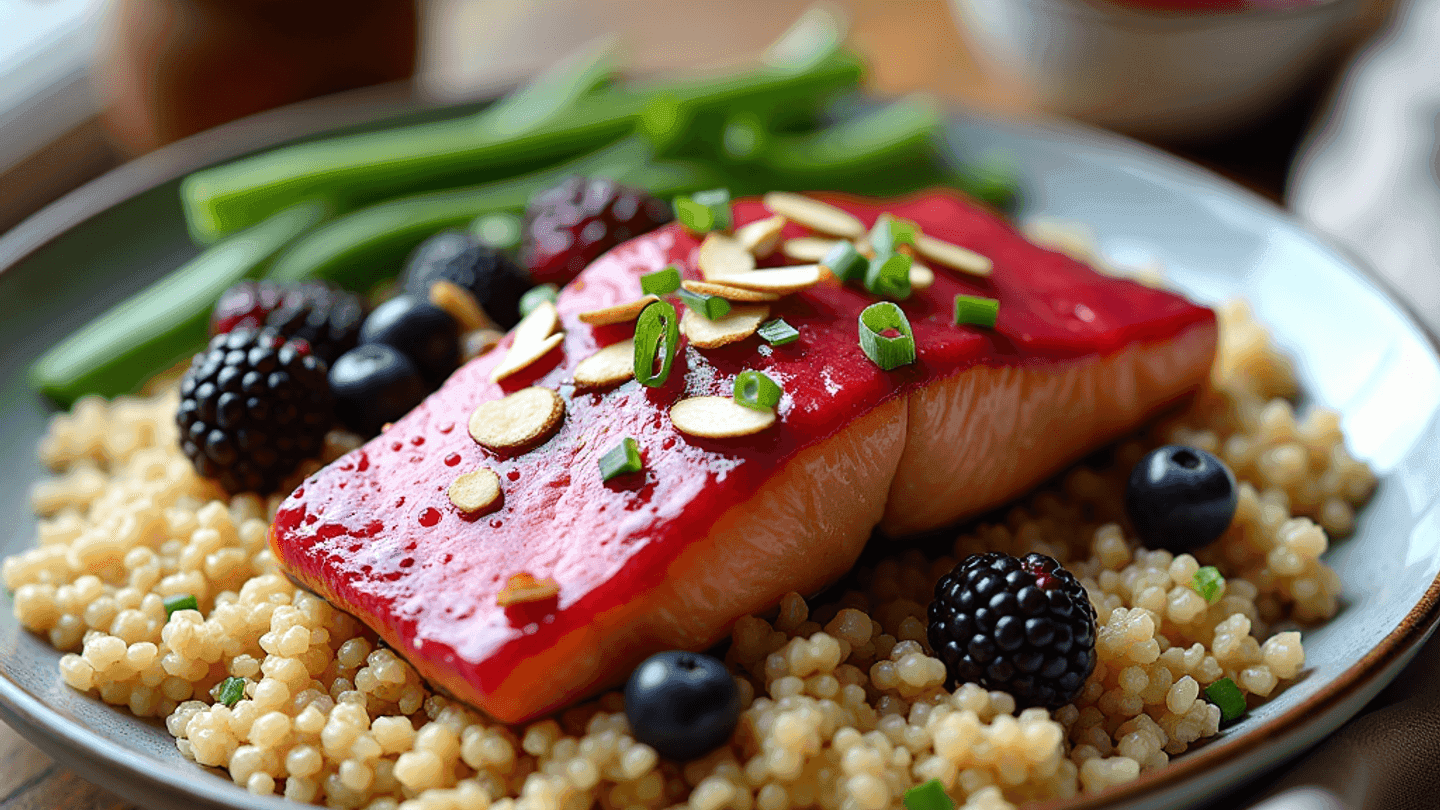
Here’s the thing: incorporating omega-3s doesn’t have to be a chore. The simple way to do it is by making small tweaks to your current meals. Start with fish like salmon or sardines, which are rich in EPA and DHA. Aim for at least two servings of fatty fish per week. Not a fan of fish? No problem. Walnuts, flaxseeds, and chia seeds are excellent plant-based options high in ALA.
For a quick boost, sprinkle ground flaxseeds over your morning oatmeal or mix chia seeds into your yogurt. These seeds not only add a nice texture but also pack a nutritional punch. Another easy swap is using walnut oil in your salad dressings. It’s all about finding what works for you without overhauling your entire diet.
When Supplements Make Sense
Despite your best efforts, you might still struggle to meet the recommended omega-3 intake through food alone. This is where supplements come in. Fish oil capsules are a popular choice, providing concentrated doses of EPA and DHA. However, not all supplements are created equal. Look for brands that offer high-quality, third-party tested products to ensure you’re getting the best.
If you’re vegetarian or vegan, consider algae-based supplements, which are excellent sources of DHA. Keep in mind that while supplements can help fill dietary gaps, they shouldn’t replace a balanced diet. It’s always a good idea to talk to your doctor before starting any new supplement regimen.
Debunking Omega-3 Myths
There’s a lot of misinformation about omega-3s floating around. One common myth is that more is always better. In reality, balance is key. Overconsumption can lead to adverse effects, such as blood thinning. The simple way to approach this is by sticking to recommended doses and focusing on dietary sources first.
Another myth is that all omega-3s are the same. As mentioned earlier, ALA, EPA, and DHA serve different roles in the body. Understanding these differences can help you tailor your intake to your specific health needs. As we discussed in our article about minerals and heart health, not every nutrient works the same for everyone.
Omega-3 and the Modern Diet
In our current environment, processed foods dominate many diets, which often lack essential nutrients like omega-3s. The simple way to counteract this is by consciously choosing whole, nutrient-dense foods. Incorporate more leafy greens, which contain ALA, and consider grass-fed meats, which have higher omega-3 content than their grain-fed counterparts.
Moreover, try rotating your protein sources. Instead of always opting for chicken, consider omega-3-rich fish or plant-based proteins. This not only diversifies your nutrient intake but also keeps meals interesting. We’ve explored how small dietary changes, like eating more spinach, can impact your health. Similarly, tweaking protein sources can boost your omega-3 intake.
Practical Tips for Daily Omega-3 Intake
The simple way to remember your omega-3s is by setting small, achievable goals. For instance, if you’re planning meals for the week, aim to include at least one omega-3-rich food daily. Make a habit of checking labels for omega-3 content, especially on foods like eggs and dairy products that might be fortified.
Consider theme nights, such as “Fish Fridays,” to ensure you get your servings of fatty fish. Another tip is to use nut butters, like almond or walnut, as snacks or in smoothies. These small changes can add up over time, ultimately improving your overall omega-3 intake.
Summary
Omega-3s are vital for health, but the simple way to incorporate them doesn’t require drastic changes. By making small, consistent adjustments to your diet and considering supplements when necessary, you can effortlessly increase your omega-3 intake and enjoy their benefits. So start with what’s on your plate and build from there.
Scientific References
- A simple way of doing the complex but utmost important things: cancer pain management (Singhal S, Verma M, Kukreja D, 2023) | View Study ↗
- A Simple and Inexpensive Way to Relieve Postoperative Cough-Related Pain (Hanazaki K, 2021) | View Study ↗
- Is there a simple and less invasive way to accurately diagnose acute pyelonephritis? (Kim SH, 2019) | View Study ↗