Stop Believing This Gut Health Myth: Here’s Why
Stop believing this gut health myth that probiotics alone can fix everything. Discover how diet diversity, fiber, and lifestyle impact your microbiome.

Key Takeaways
- ✓Probiotics aren't a cure-all for gut health
- ✓Fiber is essential for a healthy microbiome
- ✓Diverse diets support gut bacteria diversity
- ✓Stress and sleep significantly impact gut health
- ✓Fermented foods offer varied beneficial bacteria
Jessica had always believed that a daily dose of yogurt was the key to a healthy gut. But after months of bloating and discomfort, she realized the truth: not all probiotics are created equal. Stop believing this gut health myth that one-size-fits-all solutions exist for your microbiome. Stop believing this gut approach and recognize that your gut deserves a tailored strategy.
Why Your Gut Needs More Than Just Probiotics
Everyone seems to think probiotics are the gut health panacea. Here’s the thing: while they’re beneficial, they’re not the magic bullet. A meta-analysis published in PubMed shows mixed results for probiotics in improving gut health symptoms like IBS. You need to consider the diversity of your diet, as well as factors like stress and sleep habits. A diet rich in varied fiber sources, such as lentils, beans, and whole grains, supports a healthy microbiome. Recent research on fiber is revolutionizing gut health, making it clear that variety is key.
Debunking the Myth: Yogurt Isn’t the Only Answer
Yogurt, with its live cultures, is often touted as a gut hero. But here’s a plot twist: not all yogurts contain enough active probiotics to make a difference. Many commercial yogurts are packed with sugar, which can counteract the benefits. Opt for plain, unsweetened Greek yogurt, or explore other fermented foods such as sauerkraut and kimchi that offer a wider array of beneficial bacteria.
The Fiber Connection: Feeding Your Gut Right
Stop believing this gut myth that fiber is irrelevant. Think of fiber as a broom for your digestive tract. It sweeps away waste and feeds the good bacteria in your gut. The average adult should aim for 25-30 grams of fiber daily, yet most people fall short. The fiber debate often overlooks the importance of soluble fiber found in oats and legumes, which is particularly beneficial for gut health. Stop believing this gut misconception and start incorporating more fiber into your meals.
The Importance of a Diverse Diet
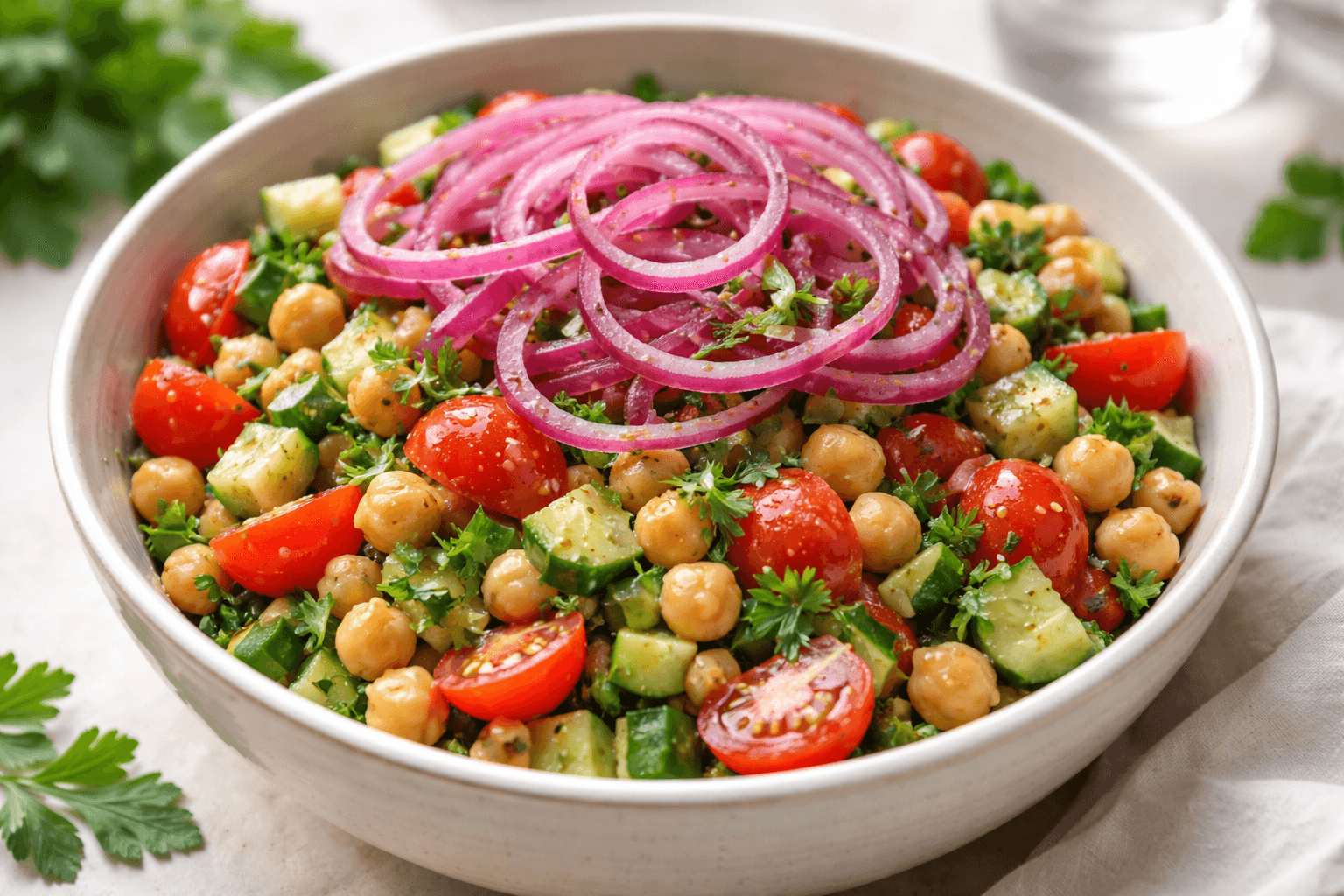
Monotony in your diet could be sabotaging your gut health. A diverse diet supports a diverse microbiome. Incorporating a rainbow of fruits and vegetables can introduce different types of fiber and polyphenols, essential for microbiome diversity. Start with a colorful salad or consider a gut-healing chickpea salad to mix things up.
Stress and Sleep: The Overlooked Gut Health Factors
Your gut doesn’t just digest food; it also feels your stress and sleep patterns. Chronic stress releases hormones like cortisol that can disrupt your gut barrier. Meanwhile, poor sleep can lead to an imbalance in your gut bacteria. Aim for 7-9 hours of quality sleep and consider stress-reducing activities like yoga or meditation. Ignoring sleep quality can impact your overall well-being, including gut health.
FAQ
Do probiotics help with all gut issues?
Probiotics can be beneficial, but they’re not a cure-all. Their effectiveness can vary based on the strain and your individual health conditions.
Is it true that all fermented foods are good for the gut?
Yes, most fermented foods can benefit the gut, but it’s essential to choose those with live cultures. Always check the labels for added sugars and preservatives.
How can I tell if my gut health is improving?
Improved gut health often manifests as reduced bloating, regular bowel movements, and increased energy levels. If symptoms persist, consult a healthcare provider.
Can stress really affect my gut health?
Absolutely. Stress can alter gut bacteria balance and increase gut permeability, leading to various digestive issues.
Tonight, try adding a tablespoon of ground flaxseed to your morning smoothie to boost your fiber intake. Your gut will thank you.
Scientific References
- Gastrointestinal Microbiome and Multiple Health Outcomes: Umbrella Review (Chang C, Yuan X, Zhang X et al., 2022) | View Study ↗
- The diet-microbiota axis: a key regulator of intestinal permeability in human health and disease (Lama Tamang R, Juritsch AF, Ahmad R et al., 2023) | View Study ↗
- Microbiota-Focused Dietary Approaches to Support Health: A Systematic Review (Hindle VK, Veasley NM, Holscher HD, 2025) | View Study ↗