Stop Relying Solely on Caffeine: What Works Better
Caffeine isn't the only way to boost mental clarity. Discover how balanced nutrition, hydration, and mindfulness can improve focus without side effects.

Key Takeaways
- ✓Caffeine isn't the only way to boost mental clarity.
- ✓Balanced nutrition offers sustainable energy without crashes.
- ✓Hydration can significantly improve cognitive function.
- ✓Mindfulness techniques enhance focus and reduce stress.
- Caffeine isn’t the only way to boost mental clarity.
- Balanced nutrition offers sustainable energy without crashes.
- Hydration can significantly improve cognitive function.
- Mindfulness techniques enhance focus and reduce stress.
Stop relying solely on caffeine to kickstart your brainpower. While it might seem like the go-to solution for mental clarity, research suggests that you should stop relying solely on it, as it’s not the only option. In fact, there are alternatives that might offer benefits without the side of jitters. To truly enhance your cognitive abilities, stop relying solely on quick fixes.
Why Caffeine Isn’t the Be-All and End-All
Caffeine is a central nervous system stimulant that millions rely on daily. According to a 2015 study, it can enhance alertness and improve performance on tasks. However, caffeine’s effects are short-lived, often leading to a crash once its effects wear off. It can also disrupt sleep if consumed in the latter part of the day, a problem highlighted in our midnight snack article.
Moreover, caffeine dependency is real. According to the CDC, excessive intake can lead to restlessness, anxiety, and heart palpitations. These side effects make caffeine a less-than-ideal long-term solution for mental clarity.
The Power of Balanced Nutrition
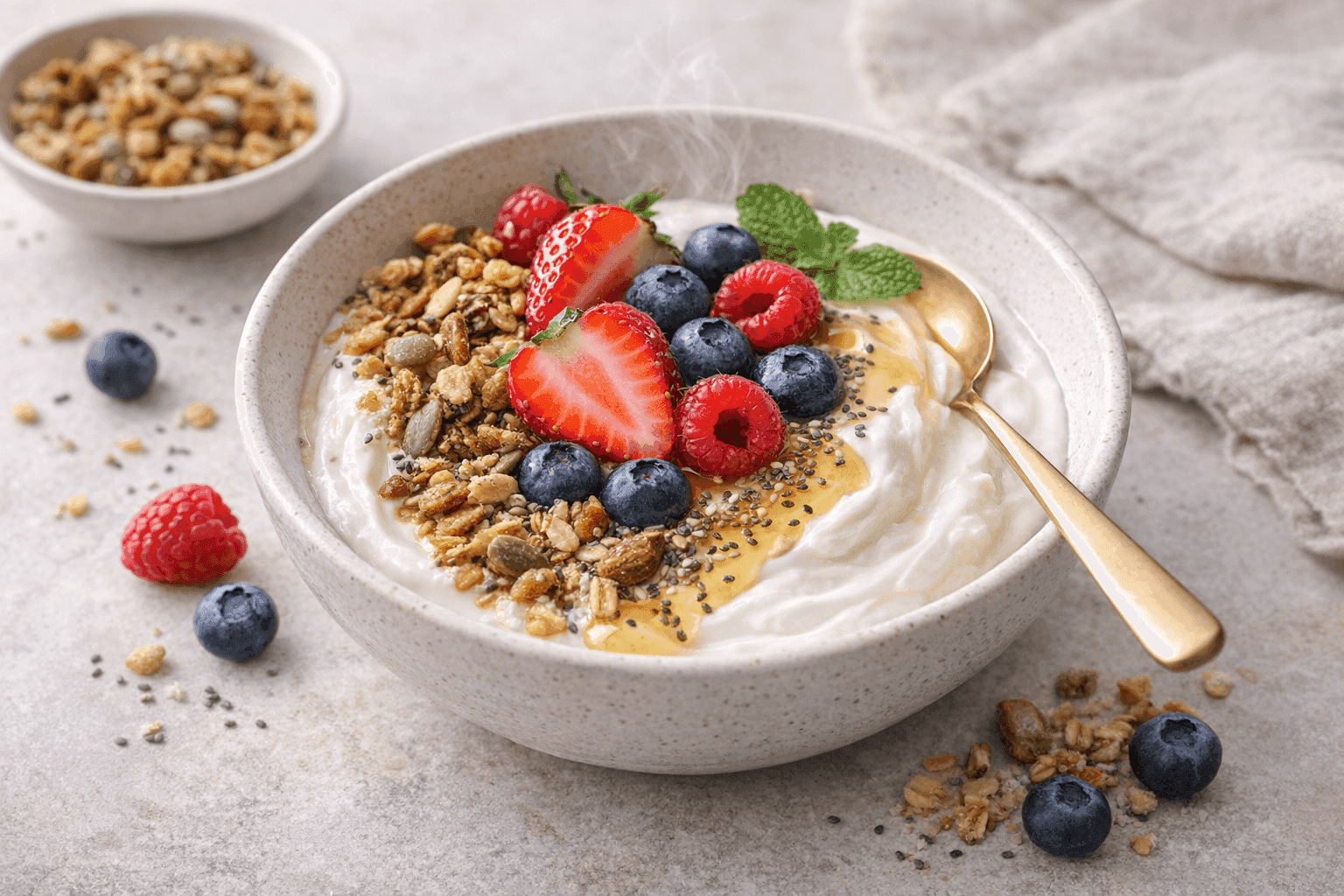
Here’s the thing: your brain needs more than just a jolt to function optimally. Enter balanced nutrition. Foods rich in omega-3 fatty acids, such as walnuts and flaxseeds, support cognitive function. A Harvard Health publication notes that antioxidants, vitamins, and minerals are crucial for brain health. These nutrients help reduce oxidative stress and inflammation, which can impair cognitive function.
Incorporating these foods into your diet can provide sustained energy and clarity throughout the day, unlike the quick burst followed by a crash that caffeine provides. For a practical start, try our High-Protein Spinach and Mushroom Stuffed Peppers.
The Role of Hydration in Mental Clarity
Dehydration can lead to fatigue, confusion, and impaired cognitive function. A study published in 2010 found that even mild dehydration can affect mood and cognitive performance. Water is essential for maintaining the fluid balance needed for brain cells to function efficiently.
For improved mental clarity, aim to drink enough water throughout the day. Consider our tips on hydration strategies in the article The Overlooked Truth About Hydration for more insights.
Mindfulness: A Natural Focus Enhancer
Mindfulness practices, like meditation and deep breathing, can significantly enhance focus and reduce stress. According to a 2011 meta-analysis, mindfulness meditation improves cognitive flexibility and working memory. These techniques help you stay present and minimize distractions, which boosts mental clarity.
Integrating short mindfulness breaks into your day can be a powerful way to recharge your mental batteries without caffeine. Start with just five minutes of focused breathing in a quiet space.
When to Choose Each Approach
So, when should you rely on caffeine, and when should you opt for alternatives? Caffeine is effective for short-term boosts, like during an all-nighter or a particularly demanding meeting. However, for everyday mental clarity, balanced nutrition, hydration, and mindfulness offer more sustainable, healthful options.
Tonight, try swapping your evening coffee for a mindfulness session or a hydrating drink. Notice the difference in how you feel and function.
Common Questions
How much caffeine is too much?
The FDA suggests a maximum of 400 mg of caffeine per day for most adults, roughly four 8-ounce cups of coffee. Exceeding this can lead to adverse effects like insomnia and jitteriness.
What foods naturally boost mental clarity?
Foods rich in omega-3 fatty acids, antioxidants, and vitamins, such as fatty fish, berries, and leafy greens, support brain health and cognitive function.
How does hydration affect cognitive performance?
Proper hydration maintains the fluid balance in the brain, which is essential for cognitive tasks. Even mild dehydration can impair focus and mood.
Can mindfulness replace caffeine?
While mindfulness doesn’t provide an immediate energy boost like caffeine, it enhances focus and reduces stress over time, offering long-term benefits for mental clarity.
Scientific References
- Attitudes Toward Deprescribing in Older Adults and Caregivers: A Survey in Quebec, Canada (Rakheja B, Sirois C, Ouellet N et al., 2022) | View Study ↗