Is Gut Sabotaging Really Impacting Your Health?
Gut health affects more than digestion. It influences your immunity, mood, and skin. Learn how to balance your gut microbiome to improve overall health.

Key Takeaways
- ✓Gut health influences overall well-being
- ✓Symptoms like fatigue and acne can be gut-related
- ✓Fiber and probiotics support gut balance
- ✓The gut-brain axis links digestion and mental health
- ✓Start with small dietary changes for improvement
It’s 8 AM and you find yourself battling an unexpected stomach churn right before an important meeting. Is gut sabotaging really impacting your health more than you realize? If your gut seems to have a mind of its own, you’re not alone. Many people underestimate how their digestive system influences their overall well-being. The question remains: is gut sabotaging really something you should be concerned about?
Understanding Your Gut’s Role
Your gut does more than handle last night’s dinner. It plays a crucial role in your immune system, mental health, and even skin condition. The gut microbiome — the trillions of bacteria living in your intestines — can either be your best ally or your worst enemy. Research shows that a diverse microbiome supports better health outcomes. But here’s the thing: an imbalanced gut might lead to issues far beyond mere indigestion, affecting everything from mood to immunity. So, is gut sabotaging really a factor in your health struggles?
Signs Your Gut Is Sabotaging You
Think bloating, fatigue, or unexpected skin breakouts. These symptoms can often be traced back to gut health. For example, if you’re frequently tired despite good sleep, your gut might be struggling to absorb nutrients effectively. Similarly, that pesky acne could be linked to inflammation initiated by gut bacteria. It’s a reminder that your gut’s health can manifest in ways you might not initially connect. Recognizing these signs can help you determine if is gut sabotaging really affecting your daily life.
What You Can Do Today
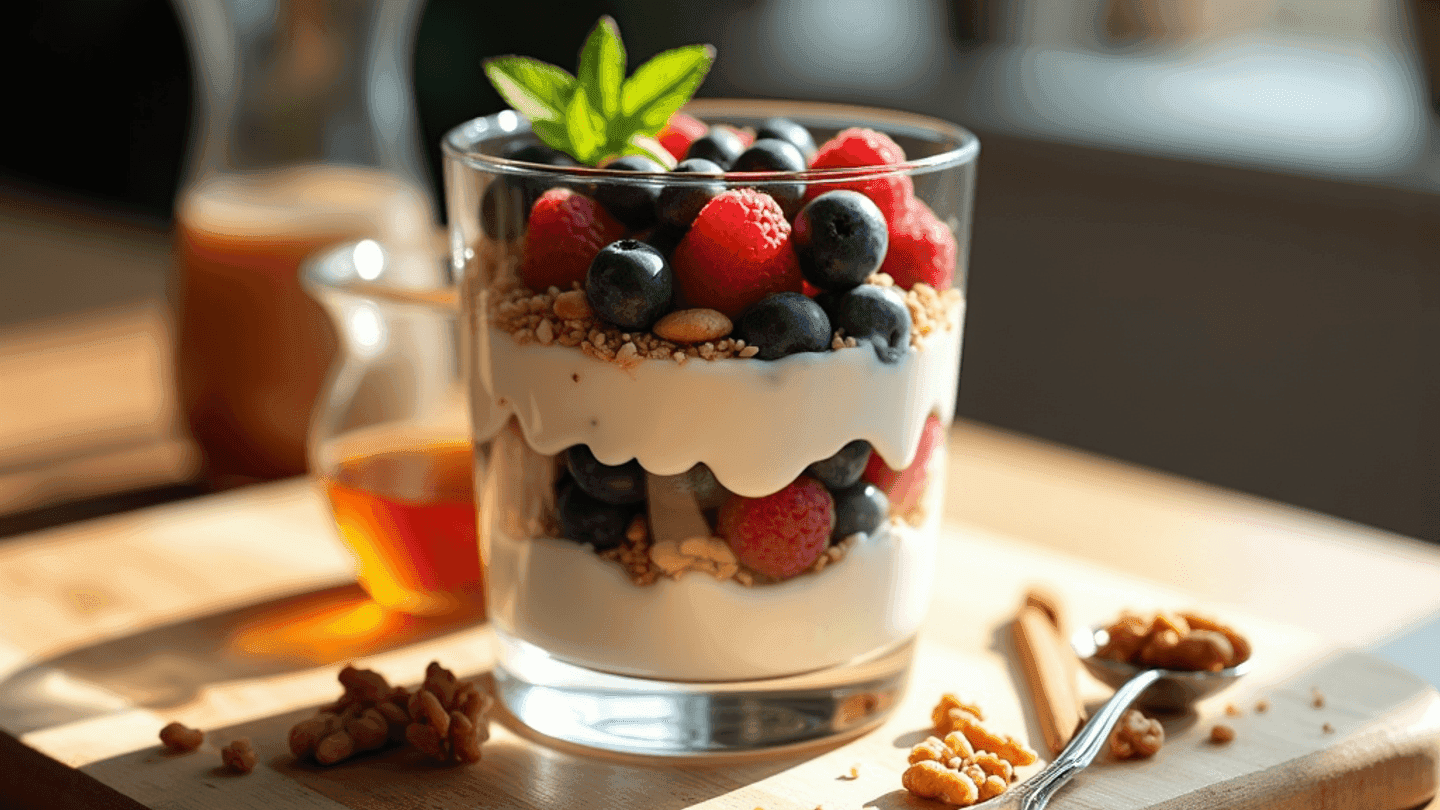
So, what can you do if your gut is the saboteur? Start by incorporating more fiber-rich foods into your diet. Think of fiber as a broom for your digestive tract. Aim for about 25-30 grams daily, which can be easily achieved with foods like lentils, oats, and chia seeds. Additionally, consider introducing probiotics. These beneficial bacteria can help restore balance to your gut microbiome. Look for probiotic-rich foods like yogurt, kefir, or sauerkraut in your next grocery run.
Scientific Insights
Recent studies have deepened our understanding of the gut’s influence. For instance, a study published by the National Institutes of Health found that gut health is intricately linked to mental health conditions, such as anxiety and depression. This connection is often referred to as the gut-brain axis. By nourishing your gut, you could potentially improve your mental clarity and mood.
FAQs
What is the gut microbiome?
The gut microbiome consists of trillions of bacteria living in your intestines. They aid in digestion, immune function, and even mental health.
How can I improve my gut health naturally?
Incorporating fiber and probiotics into your diet is a great start. Foods like legumes, whole grains, and fermented items can significantly aid gut health.
Can gut health affect weight loss?
Yes, a healthy gut can influence metabolism and fat storage. Balancing your microbiome may support more effective weight management.
Are supplements necessary for gut health?
While not always necessary, supplements like probiotics can support gut health, especially if your diet is lacking in fermented foods.
Tonight, try adding a tablespoon of chia seeds to your smoothie for a fiber boost. You’ll be taking a small but significant step toward better gut health.
Scientific References
- Vegan Diet and the Gut Microbiota Composition in Healthy Adults (Losno EA, Sieferle K, Perez-Cueto FJA et al., 2021) | View Study ↗
- A fiber-deprived diet causes cognitive impairment and hippocampal microglia-mediated synaptic loss through the gut microbiota and metabolites (Shi H, Ge X, Ma X et al., 2021) | View Study ↗
- Gut microbiota in bariatric surgery (Gasmi A, Bjørklund G, Mujawdiya PK et al., 2023) | View Study ↗
- Gut Microbiome Transplants and Their Health Impacts across Species (Levine BH, Hoffman JM, 2023) | View Study ↗
- Cancer-promoting effects of microbial dysbiosis (Sheflin AM, Whitney AK, Weir TL, 2014) | View Study ↗