The Lazy Person’s Guide to Boosting Gut Health
Discover lazy ways to boost your gut health with simple habits. From fiber to fermented foods, learn how to improve digestion effortlessly.

Key Takeaways
- ✓Your gut houses over 100 trillion microorganisms
- ✓Fiber promotes healthy gut bacteria
- ✓Fermented foods boost digestion and immunity
- ✓Hydration aids in digestion
- ✓Physical activity enhances gut health
Did you know that your gut houses over 100 trillion microorganisms? That’s more than 10 times the number of cells in your entire body. Welcome to the lazy person’s guide to gut health, where simplicity is key and your gut will thank you. In this guide, we’ll explore easy ways to improve your gut health without overwhelming yourself.
Embrace the Power of Fiber
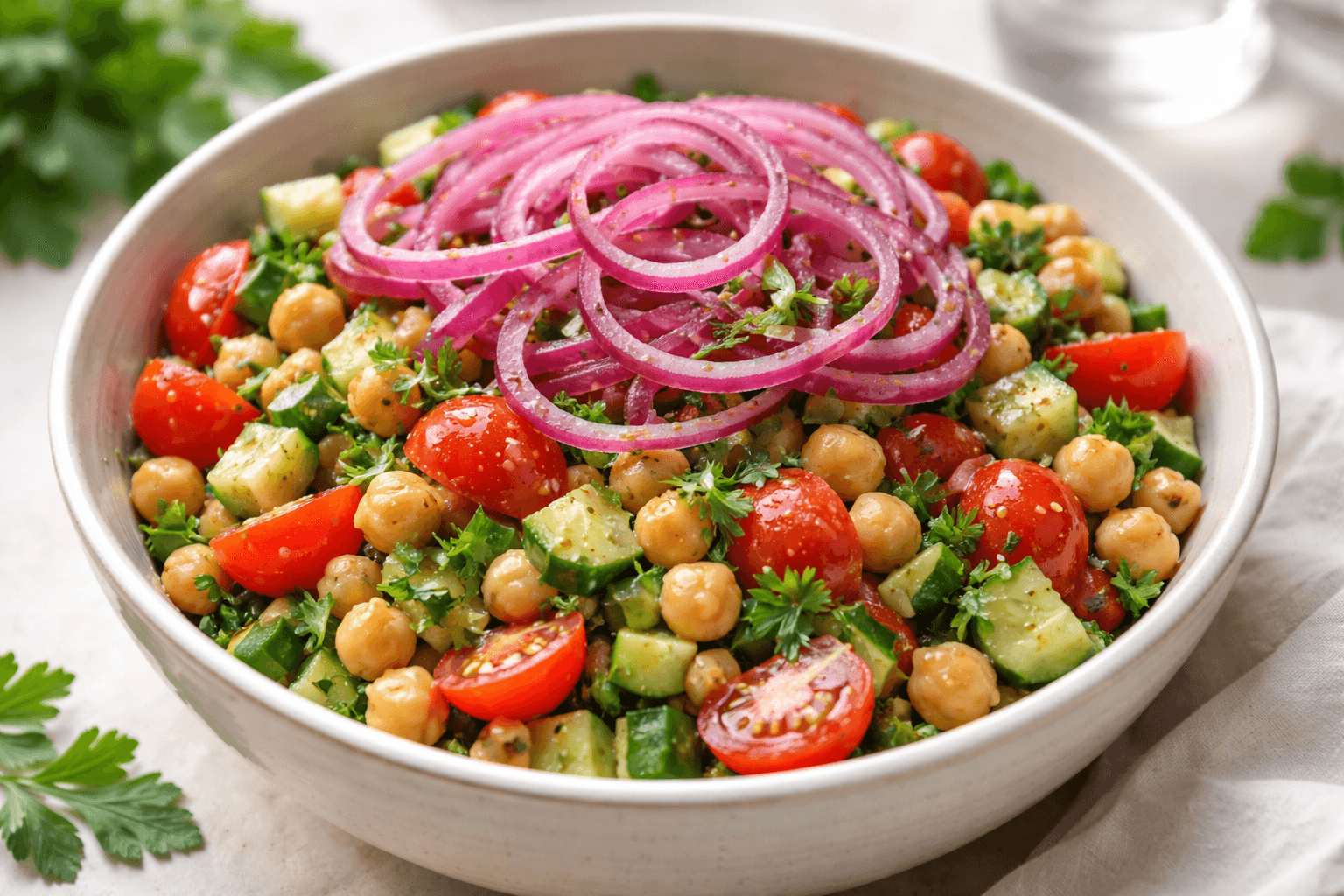
Here’s the thing: fiber isn’t just a dietary buzzword. It’s your gut’s best friend. Yet, most people don’t get enough. Aim for at least 25-30 grams of fiber daily, which can be easily achieved by integrating foods like lentils and chickpeas into your diet. Research has shown that dietary fiber promotes the growth of healthy gut bacteria, enhancing digestion and overall health.
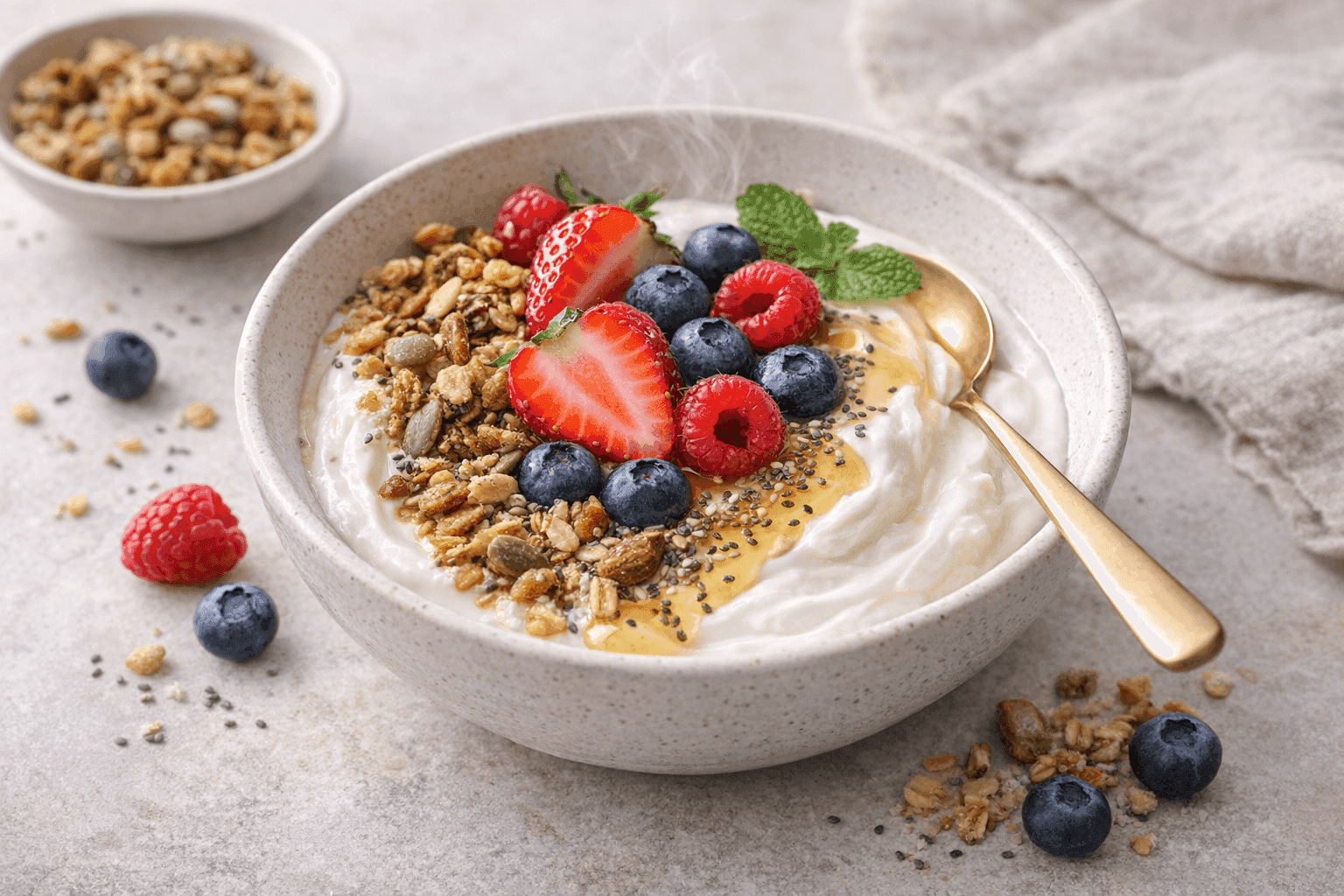
If you’re really looking for a no-fuss option, try keeping a jar of chia seeds on your kitchen counter. A simple tablespoon sprinkled over your cereal or yogurt can add 5 grams of fiber without breaking a sweat. This is just one of the many tips in the lazy person’s guide to gut health.
Fermented Foods: Your Gut’s Ally
Fermented foods are like a party for your gut. They introduce beneficial bacteria that support digestion and boost immunity. Think of adding a spoonful of sauerkraut or a serving of yogurt to your meals. As we explored in our piece on fermented foods, these goodies are packed with probiotics that can revitalize your digestive system.
The lazy approach? Incorporate a probiotic-rich food like kefir into your morning routine. It’s as easy as a quick pour into your smoothie.
Stay Hydrated with a Twist
Good hydration is crucial for digestion, but here’s a twist: adding a slice of lemon to your water not only enhances flavor but also aids digestion. Lemon juice can stimulate the production of digestive juices, which can help your gut process food more efficiently.
Want to keep it even simpler? Keep a bottle of water on your desk and aim to refill it twice during your workday. This ensures you’re getting enough fluids without thinking too much about it.
As a rule of thumb, aim for about 8 cups (2 liters) of water a day. And remember that hydration is about more than water alone — electrolytes like sodium, potassium, and magnesium help maintain the fluid balance your gut depends on, especially if you’re active.
Mindful Eating: Slow Down for Better Digestion
Mindful eating isn’t about meditating over your meal; it’s about slowing down and savoring each bite. Doing so helps your body better digest food and absorb nutrients. Next time you eat, try putting your fork down between bites. This small act can improve your digestion and prevent overeating.
For those who need a reminder, set a timer for 20 minutes during meals to encourage a slower pace and more deliberate eating.
Move a Little More
Physical activity doesn’t have to mean hitting the gym. Even a simple 10-minute walk after meals can significantly improve your gut health by enhancing digestion and reducing bloating. Walking after meals is a lazy person’s dream solution. It’s effortless and highly effective.
So, lace up those sneakers and stroll around your block. Your gut will thank you, and so will your step count.
Eat a Rainbow for a Diverse Microbiome
Your gut thrives on variety. Eating a wide range of colorful fruits and vegetables delivers different nutrients and antioxidants that feed different beneficial bacteria, and that diversity is exactly what a resilient microbiome needs for strong digestion and immunity. Fill your plate with produce like red peppers, blueberries, and spinach. Tonight, try adding a side of roasted rainbow carrots to your dinner for a vibrant, effortless nutrient boost.
Coconut Water: An Easy Electrolyte Boost
If plain water feels boring, coconut water is a lazy upgrade. It contains potassium, magnesium, and a bit of sodium — electrolytes that help maintain your body’s fluid balance, and potassium in particular supports a smooth digestive process. Swap it in for your usual sports drink, or pour some into a smoothie for a tropical twist. It won’t transform your gut on its own, but paired with a balanced diet its hydrating properties round out a healthy routine.
FAQ Section
What are the best foods for gut health?
Foods high in fiber like oats, fruits, and vegetables, along with fermented foods such as yogurt and sauerkraut, are excellent for gut health.
How much fiber should I aim for daily?
Aim for 25-30 grams of fiber each day. This can be achieved through a balanced diet rich in whole grains, fruits, and vegetables.
Are probiotics necessary for everyone?
While not necessary for everyone, probiotics can benefit those with digestive issues or after taking antibiotics. Always consult with a healthcare provider before starting any new supplement.
How much coconut water should I drink daily?
Moderation is key. About one cup (240 ml) of coconut water a day is enough to enjoy its benefits without overloading on sugar and calories.
Take Action Now
Tonight, try adding a tablespoon of chia seeds to your dinner salad for an easy fiber boost. Your gut will start feeling the benefits sooner than you think.
Scientific References
- Impact of intermittent fasting on health and disease processes (Mattson MP, Longo VD, Harvie M, 2017) | View Study ↗
- The mitophagy activator urolithin A is safe and induces a molecular signature of improved mitochondrial and cellular health in humans (Andreux PA, Blanco-Bose W, Ryu D et al., 2019) | View Study ↗
- Reversing the Cardiac Effects of Sedentary Aging in Middle Age-A Randomized Controlled Trial: Implications For Heart Failure Prevention (Howden EJ, Sarma S, Lawley JS et al., 2018) | View Study ↗
- Exercise Alters Gut Microbiota Composition and Function in Lean and Obese Humans (Allen JM, Mailing LJ, Niemiro GM et al., 2018) | View Study ↗
- Effect of a 24-week supervised concurrent exercise intervention on fecal microbiota diversity and composition in young sedentary adults: The ACTIBATE randomized controlled trial (Martinez-Tellez B, Xu H, Ortiz-Alvarez L et al., 2025) | View Study ↗