Does Herbal Tea Really Help With Stress Relief Naturally?
Herbal teas like chamomile and lavender can aid stress relief due to their natural compounds. Incorporating them into a calming routine enhances their benefits.
Key Takeaways
- ✓Herbal tea contains compounds that may aid in stress relief.
- ✓Chamomile and lavender are among the most effective for relaxation.
- ✓Drinking herbal tea can be part of a calming bedtime routine.
- Herbal tea contains compounds that may aid in stress relief.
- Chamomile and lavender are among the most effective for relaxation.
- Drinking herbal tea can be part of a calming bedtime routine.
What if the reason you’re still stressed isn’t just about your workload or family drama, but also about what you’re sipping? The question many people ask is, does herbal tea really help with stress relief? Let’s brew up some facts and see if your favorite herbal concoction can indeed soothe those frazzled nerves.
The Science Behind Herbal Tea and Stress Relief
Herbal teas have a long history of use for their calming effects. But does herbal tea really hold up under scientific scrutiny? The answer is nuanced. Many herbal teas, such as chamomile, lavender, and peppermint, contain compounds that interact with neurotransmitters in the brain, potentially reducing stress and anxiety.
Chamomile: The Classic Calmer
Chamomile tea is often lauded for its calming properties. Research indicates that chamomile contains apigenin, an antioxidant that binds to certain receptors in your brain, which may decrease anxiety and initiate sleep. A study published in PubMed showed that chamomile extract significantly reduced anxiety symptoms in a trial of patients with generalized anxiety disorder.
Lavender: Aromatic Antidote
If you’ve ever used lavender essential oils, you might already appreciate its soothing scent. Drinking lavender tea can offer similar benefits. Lavender is known for its potential to positively affect mood and cognition, acting as a mild sedative to help manage stress.
The Role of Ritual
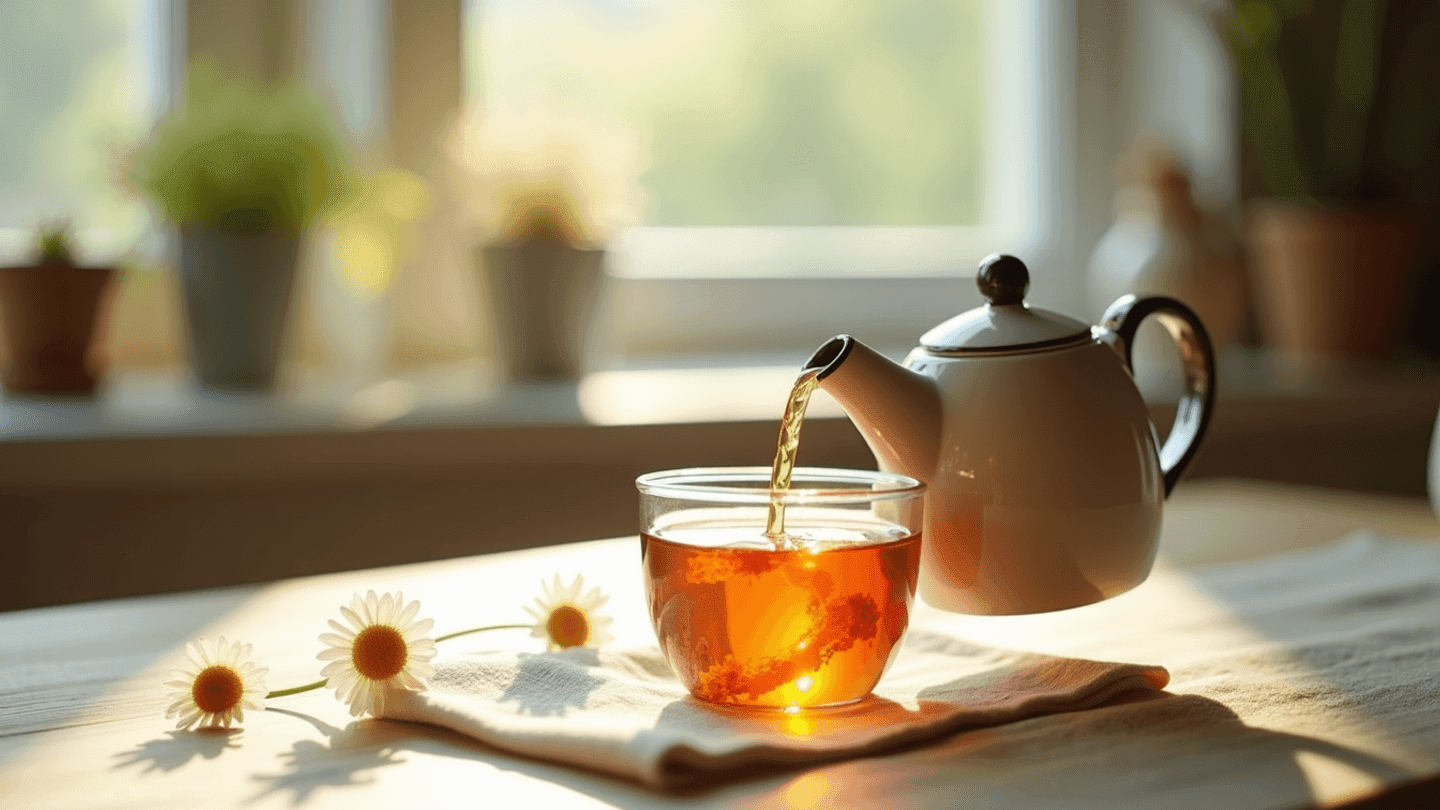
Beyond the biochemical effects, the ritual of drinking tea itself serves as a form of mindfulness that can contribute to stress relief. The act of boiling water, steeping the tea, and slowly sipping can be a meditative practice, allowing you to momentarily escape the hustle and bustle.
Not All Herbal Teas Are Created Equal
While some herbal teas are beneficial for stress relief, not all have the same effects. Does herbal tea really work universally? The answer is no, and it depends on the specific herbs used.
Peppermint: Refreshing, But Not Sedative
Peppermint tea is refreshing and might help with digestive issues, but it doesn’t have the same sedative effects as chamomile or lavender. It’s great for an afternoon pick-me-up but might not be the best choice before bed.
Valerian Root: Potent But Pungent
Valerian root tea is known for its sedative properties. It may help with sleep disturbances and anxiety. However, its strong taste and aroma are not for everyone. This tea is an acquired taste, and it might require some getting used to.
Incorporating Herbal Tea into Your Stress-Relief Routine
So, does herbal tea really belong in your stress-relief toolkit? Absolutely, but it’s most effective when combined with other healthy habits.
Creating a Bedtime Ritual
Consider making herbal tea a part of your bedtime routine. Drinking a cup of chamomile or lavender tea half an hour before bed can signal to your body that it’s time to wind down. Pair this with other calming activities like reading or light stretching to enhance the effect.
Combining with Mindfulness Practices
Mindfulness and herbal tea are a match made in heaven. Try pairing your tea time with mindfulness meditation or simple deep breathing exercises. This combination can amplify the calming effects of the tea.
Conclusion: A Sip Toward Serenity
In the end, does herbal tea really help reduce stress? It seems so, especially when part of a broader routine that emphasizes relaxation and mindfulness. The next question most people ask is how to incorporate these teas effectively into a hectic lifestyle. That is a different problem with a different answer — see our piece on health wellness tips for better living.
Scientific References
- Rosmarinic Acid-Human Pharmacokinetics and Health Benefits (Hitl M, Kladar N, Gavarić N et al., 2021) | View Study ↗
- Clinical effects produced by a standardized herbal medicinal product of Hibiscus sabdariffa on patients with hypertension. A randomized, double-blind, lisinopril-controlled clinical trial (Herrera-Arellano A, Miranda-Sánchez J, Avila-Castro P et al., 2007) | View Study ↗
- Clinical Effect of the Traditional Japanese Herbal Medicine "Goreisan" on Water Balance in Patients With Severe Acute Pancreatitis (Tatsumi H, Akatsuka M, Kuroda H et al., 2024) | View Study ↗
- Chinese herbal medicine for cancer pain (Xu L, Lao LX, Ge A et al., 2007) | View Study ↗
- Influence of St. John's Wort on Intravenous Fentanyl Pharmacokinetics, Pharmacodynamics, and Clinical Effects: A Randomized Clinical Trial (Loughren MJ, Kharasch ED, Kelton-Rehkopf MC et al., 2020) | View Study ↗