Potential Health LogoPotentialHealth
HomeBlogRecipesDaily TipsAboutContact
Potential Health LogoPotentialHealth

Your source for health and wellness tips, insights, and inspiration.

Quick Links

  • Home
  • Blog
  • Recipes
  • Daily Tips
  • About Us
  • Contact

Stay Connected

Follow us for daily health tips and recipe inspiration.

Legal

  • Privacy Policy
  • Terms of Service
Explore topics:
  • Nutrition
  • Gut Health
  • Supplements
  • Fitness
  • Mental Health
  • Wellness
  • Sleep
  • Hydration
  • Bone Health
  • Immunity
  • Skincare
  • Weight Management
  • Breakfast
  • Lunch
  • Dinner
  • Snack
  • Dessert

© 2026 Potential Health. All rights reserved.

Home/Blog/Mental Health/The Surprising Link Between Gut Health and Brain Aging
Back to All Articles
Share:
Mental HealthHow-To Guide

The Surprising Link Between Gut Health and Brain Aging

Written by
George Draganov
Published
August 26, 2026
Reading Time
4 min read

I tracked my gut health for a month to explore its impact on brain aging. Discover the surprising link between gut health and cognitive function.

The Surprising Link Between Gut Health and Brain Aging

Key Takeaways

  • ✓Gut health is crucial for brain function and could impact brain aging.
  • ✓Probiotics and fermented foods improve gut microbiome diversity.
  • ✓Tracking gut health indicators can reveal patterns affecting cognition.
  • ✓Simple dietary changes may enhance both gut and brain health.

On This Page

  • Setup: The Experiment Begins
  • Week 1: Initial Observations
  • Week 2-3: Notable Changes
  • Unexpected Surprise: A Positive Shift
  • What I Would Do Differently
  • Quick FAQ
  • Can gut health really affect brain aging?
  • What are the best foods for gut health?
  • How soon can you notice changes in brain function?
  • Are there any risks to taking probiotics?
  • Gut health is crucial for brain function and could impact brain aging.
  • Probiotics and fermented foods improve gut microbiome diversity.
  • Tracking gut health indicators can reveal patterns affecting cognition.
  • Simple dietary changes may enhance both gut and brain health.

The surprising link between gut health and brain aging isn’t folklore — it’s a fascinating area of research. I’ve always been curious about this connection, so I decided to track my own gut health for a month to see its impact on my cognitive function. Throughout this time, I discovered the surprising link between my gut health and cognitive performance. Here’s what happened.

Setup: The Experiment Begins

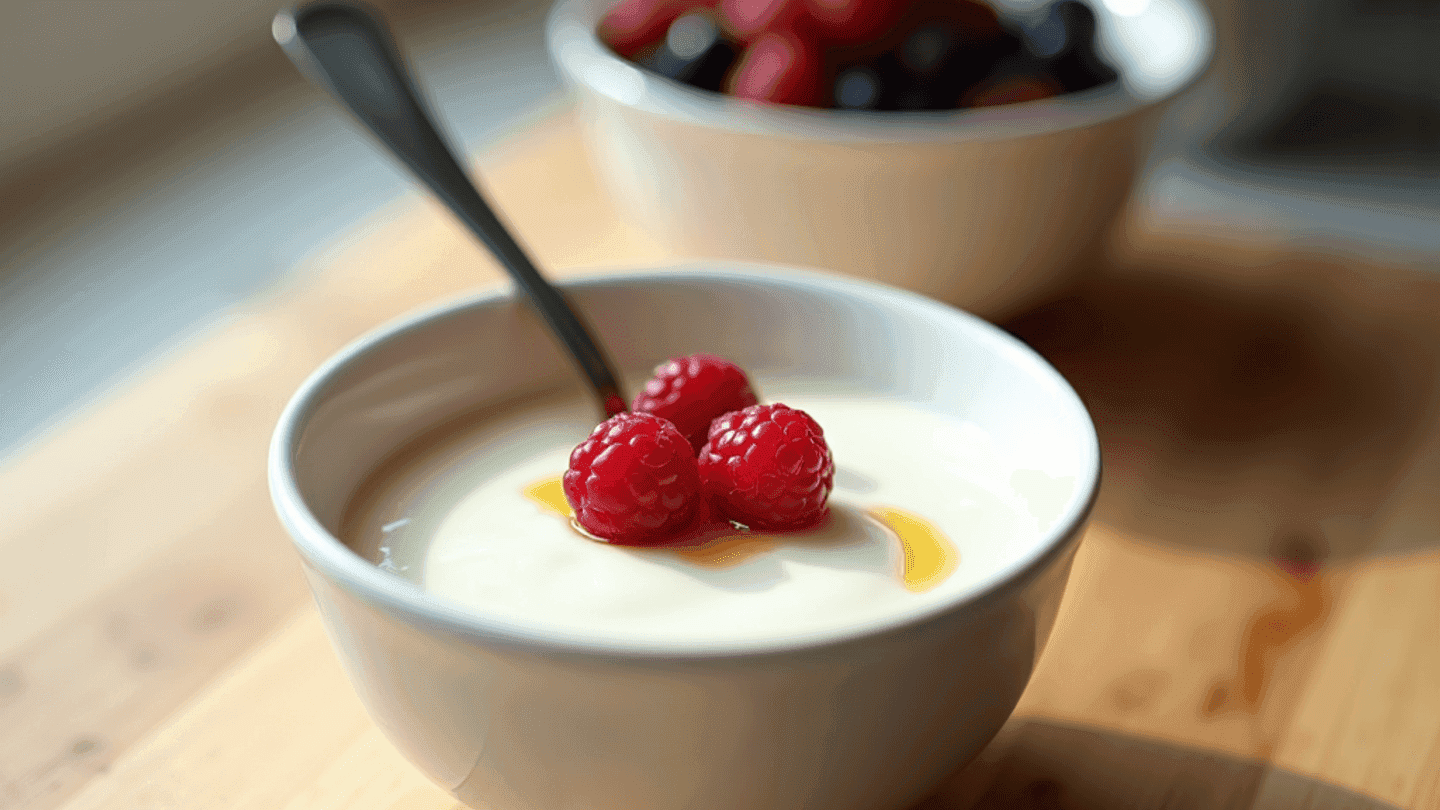
I began my exploration in June, armed with a notebook, a probiotic supplement, and a list of gut-friendly foods. The goal was to improve my gut microbiome and observe any changes in my mental clarity. I aimed to consume at least one portion of fermented food daily, such as kimchi or yogurt, and took a probiotic supplement with 10 billion CFUs.

But here’s the thing: I also needed a baseline. So, I took note of my memory, focus, and mood at the start. These subjective measures would be my guide to any cognitive changes. Fermented foods were a key part of this experiment, as they are known to enhance gut health.

Week 1: Initial Observations

The first week was all about adjustment. I noticed an immediate improvement in my digestion, but what about my brain? Mid-week, I felt a little sharper during my daily tasks. Coincidence? Perhaps. However, I also experienced less brain fog, particularly in the afternoons when I usually reached for caffeine.

Intriguingly, a study from UCLA suggests that a diverse gut microbiome can influence mood and cognition. This lined up with my experience, making me more eager to continue the experiment.

Week 2-3: Notable Changes

By the second week, the changes became more pronounced. I noticed an improvement in my memory recall and a steady mood throughout the day. The gut-brain axis seemed to be more than just a buzzword. I maintained my intake of probiotics and fermented foods and experimented with different types like kefir and sauerkraut.

According to the Harvard Health Blog, the gut produces neurotransmitters like serotonin, which can affect mood. My mood was certainly more stable, and I was sleeping better too.

Unexpected Surprise: A Positive Shift

At the end of the third week, something unexpected happened. I stopped craving sugary snacks in the afternoon, a habit I thought was purely psychological. It turns out, gut bacteria can influence cravings, and a healthier gut can reduce sugar cravings.

This was a significant breakthrough for my productivity. With fewer sugar crashes, I stayed focused for longer periods. This surprising link between gut health and brain function was becoming clearer by the day.

What I Would Do Differently

Reflecting on this experiment, I realized that tracking specific gut health metrics like stool consistency and frequency could provide more concrete data. Additionally, incorporating more prebiotic foods like garlic and onions could further support gut bacteria growth.

For anyone interested in exploring this connection, I recommend starting with small, sustainable changes. Focus on incorporating one new gut-friendly food each week and keep a journal of any cognitive or mood changes.

Quick FAQ

Can gut health really affect brain aging?

Yes, research indicates that the gut-brain axis plays a significant role in cognitive health. A healthy gut can potentially delay brain aging.

What are the best foods for gut health?

Fermented foods like kimchi, yogurt, and kefir are excellent for promoting a diverse gut microbiome.

How soon can you notice changes in brain function?

Changes can vary, but some people notice improvements in focus and mood within a week.

Are there any risks to taking probiotics?

Generally, probiotics are safe for most people. However, it’s best to consult a healthcare provider before starting any new supplement.

What would change if you stopped measuring your success by how much you accomplish and started paying attention to how you feel?

Signs Your Gut Health Needs Attention Sleep Quality and Brain Health

George Draganov

Written by

George Draganov

George Draganov is the founder of Potential Health. A lifelong fitness enthusiast, he has spent years experimenting with diets, training, and recovery — turning published research and hands-on experience into practical, everyday health advice.

More about the author · Facebook

Enjoyed this article?

Explore more evidence-based health content

Browse All ArticlesDiscover Recipes

Medical Disclaimer

Content on this site (including articles and recipes) is for informational and educational purposes only and is not medical advice, diagnosis, or treatment. Always consult a qualified healthcare professional before making changes to your diet, supplements, medications, or exercise—especially if you are pregnant, nursing, have a medical condition, or take prescriptions. Nutrition facts are estimates and may vary by brand, ingredients, portion size, and preparation; check labels and allergens and use your best judgment. If you think you may have a medical emergency, call 911 (U.S.) or your local emergency number.

Related Articles

Recommended reading

4 Warning Signs Your Gut Health Needs Attention

4 Warning Signs Your Gut Health Needs Attention

Your gut health affects more than digestion. Bloating, mood swings, fatigue, and cravings can signal gut issues. Learn how to address them for better health.

3 Warning Signs Your Sleep Quality is Impacting Brain Health

3 Warning Signs Your Sleep Quality is Impacting Brain Health

Poor sleep can harm your brain health. Look for signs like forgetfulness, mood swings, and problem-solving difficulties. Improve sleep with simple lifestyle changes.

Why Women Should Consider Estrogen for Brain Health

Why Women Should Consider Estrogen for Brain Health

Explores why women should consider estrogen for brain health and Alzheimer's prevention. Discusses hormonal impacts, lifestyle choices, and medical advice.

The Lazy Person’s Guide to Focus and Nerve Health

The Lazy Person’s Guide to Focus and Nerve Health

Explore how simple lifestyle changes can boost focus and nerve health. Forget quick fixes; consistency and small habits make the difference.

Lion’s Mane Mushroom Benefits: Focus, Nerves, and Gut Support

Lion’s Mane Mushroom Benefits: Focus, Nerves, and Gut Support

A simple guide to lion's mane mushroom benefits: what the research suggests, how to use it safely, and the easiest ways to fit it into your routine.

Magnesium L-Threonate: Brain, Sleep, and Focus Benefits

Magnesium L-Threonate: Brain, Sleep, and Focus Benefits

Magnesium l-threonate is a magnesium form researched for brain delivery and sleep support. This guide covers what the evidence says, who may benefit, dosing basics, and safety.

Related Recipes

Try these healthy recipes

Refreshing Spanish Gazpacho With Gut-Healing Ingredients
15 min

Refreshing Spanish Gazpacho With Gut-Healing Ingredients

vegan, gluten-free, dairy-free, low-carb, nut-free

Gut-Friendly Berry Parfait
10 min

Gut-Friendly Berry Parfait

vegetarian, gluten-free

Berry and Red Onion Salad With Gut-Healing Dressing
10 min

Berry and Red Onion Salad With Gut-Healing Dressing

vegetarian, gluten-free, dairy-free

Creamy Butternut Squash and Kale Pasta
40 min

Creamy Butternut Squash and Kale Pasta

vegetarian

Refreshing Tomato and Sweet Corn Gazpacho
15 min

Refreshing Tomato and Sweet Corn Gazpacho

vegan, gluten-free, dairy-free, low-fat

Savory Chickpea and Spinach Stuffed Squash Boats
50 min

Savory Chickpea and Spinach Stuffed Squash Boats

vegetarian, gluten-free