Lentils Health Benefits: Why They’re a Real-World Superfood
Lentils deliver big nutrition for a small cost: fiber, plant protein, and key minerals in one easy staple. Here’s what the research suggests and how to eat them.

Key Takeaways
- ✓Lentils combine fiber and plant protein in one simple staple
- ✓One cooked cup provides around 18 g protein and around 16 g fiber
- ✓Fiber and resistant starch support fullness and steadier energy
- ✓Research on pulses links regular intake with improved LDL cholesterol
- ✓Lentils are easy to use in salads, bowls, soups, and quick curries
Lentils Health Benefits are one of those rare “trend foods” that don’t need hype to justify their reputation. Lentils are inexpensive, easy to cook, and unusually nutrient-dense for a pantry staple—so when people call them a superfood, it’s not just marketing.
“Superfood” isn’t a scientific category, but it usually means a food that delivers a lot of nutrition per calorie and fits into real-world meals. Lentils tick those boxes: they combine plant protein, fiber, and important micronutrients in a way that supports everyday health goals like staying full, keeping energy steady, and building a balanced plate.
Why lentils feel like a superfood
Lentils are a type of legume (like beans and chickpeas). What makes them stand out is the combo of protein + fiber in one simple food. A cooked cup of lentils provides around 18 g of protein and around 16 g of fiber, with very little saturated fat. That’s a big reason lentils health benefits show up in so many “healthy diet” patterns across the world.
Lentils also provide key minerals like iron, magnesium, and potassium, plus folate (important for normal cell function). For many people, lentils are an easy way to upgrade meals that otherwise lean heavy on refined carbs.
Lentils health benefits (quick overview)
- More fullness per meal: Fiber slows digestion and helps you feel satisfied longer.
- Steadier energy: Lentils contain slow-digesting carbs and resistant starch, which can blunt sharp blood sugar swings.
- Heart-friendly pattern: Replacing some refined carbs and processed meats with legumes can support better overall diet quality.
- Gut support: Fiber and prebiotic-type carbs help feed beneficial gut bacteria.
- Micronutrient density: Lentils contribute iron, folate, potassium, and more—useful in plant-forward diets.
Fiber + resistant starch: the “steady energy” duo
Fiber is one of the most consistent “under-consumed” nutrients in modern diets. Lentils are a practical way to increase fiber without changing your whole lifestyle. Fiber supports digestion, helps with fullness, and is linked to healthier blood lipids and blood sugar control when it comes from whole foods.
Lentils also contain resistant starch, a type of carbohydrate that behaves more like fiber. It digests slowly, which can help keep post-meal energy more even. Over time, diets built around high-fiber foods (including legumes) tend to be easier to maintain because meals are simply more filling.
Plant protein that actually works in meals
Lentils won’t replace every protein source on their own, but they make it much easier to hit protein targets—especially when combined with other plant foods. Practical combos include lentils + rice, lentils + whole-grain bread, or lentils + yogurt/cheese on the side (if you eat dairy). You end up with a satisfying meal that’s still simple and budget-friendly.
Heart health: what the research suggests
Legumes (including lentils) have been studied in controlled trials for heart-health markers. In a large meta-analysis of randomized trials, diets emphasizing dietary pulses (beans, chickpeas, lentils, peas) at about one serving per day were associated with lower LDL cholesterol on average. That doesn’t mean lentils are a “cholesterol cure,” but it supports the idea that small, consistent swaps can matter over time.
The most realistic takeaway: if you regularly replace ultra-processed snacks or refined carbs with meals built around lentils, your overall diet quality improves—and that’s where many long-term benefits come from.
How to eat lentils (without living in soup)
If you only think “lentil soup,” you’re missing most of the fun. Here are easy, trendy ways to use lentils:
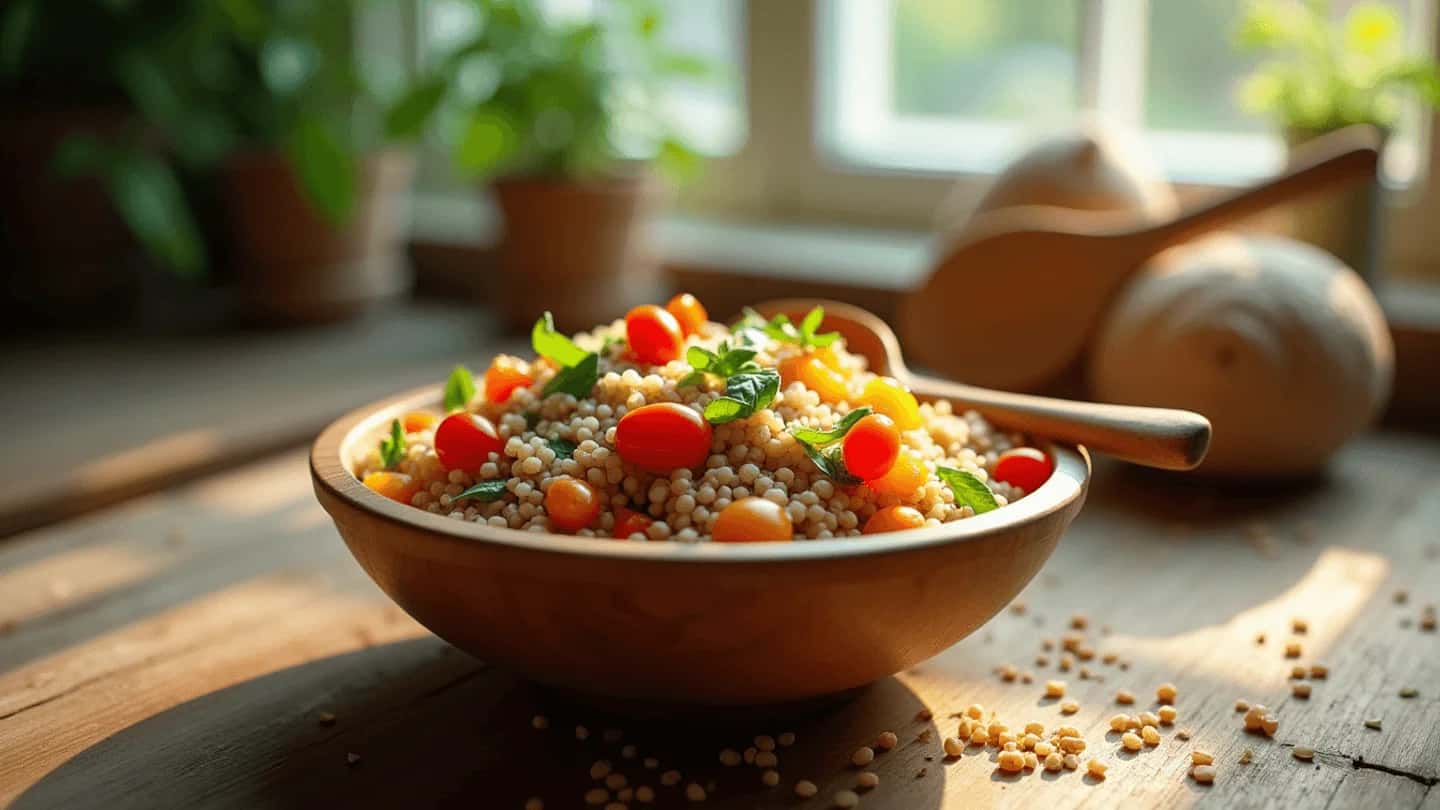
- Dense salads: Toss cooked lentils with cucumber, tomatoes, herbs, olive oil, and lemon for a high-fiber lunch.
- High-protein bowls: Add lentils to roasted vegetables and top with a simple yogurt-garlic sauce.
- Quick curries: Red lentils cook fast and make a creamy base with spices, tomatoes, and spinach.
Cooking tip: For most whole lentils, simmer gently until tender (they shouldn’t explode into mush unless you want that). Red lentils naturally break down faster, which is great for thick stews and “saucy” meals.
Who should be careful with lentils?
Lentils are healthy for most people, but a few situations are worth noting:
- Sensitive digestion: If beans and lentils cause bloating, start with smaller portions and increase gradually. Rinsing canned lentils and cooking dried lentils well can help.
- Special diets: Lentils are naturally gluten-free, but cross-contact can happen in bulk bins—use packaged products if that’s important for you.
- Medical conditions: If you have a medical diet that restricts potassium, phosphorus, or fiber, follow your clinician’s guidance.
Polyphenols and antioxidant support
Lentils are also a source of polyphenols—plant compounds with antioxidant properties that help reduce inflammation and oxidative stress in the body. Some research suggests these polyphenols may even have prebiotic effects, adding another layer to lentils health benefits for your gut. By protecting cells from oxidative damage, antioxidants like these are one of the ways a lentil-forward diet supports long-term health, not just digestion.
Prebiotic fiber that feeds your microbiome
Beyond total fiber, lentils supply prebiotic-type fibers that act as food for the beneficial bacteria in your gut. A well-fed microbiome supports digestion, improves nutrient absorption, and even helps your immune system. Because a more diverse microbiome is consistently linked to better overall health, eating a variety of plant foods like lentils is one of the simplest ways to support that diversity.
A sustainable protein choice
Lentils aren’t just good for you—they’re gentle on the planet. Compared with animal-based proteins, lentils have a notably low carbon footprint, so choosing them over higher-impact protein sources reduces your environmental impact while still delivering around 18 g of protein per cooked cup.
FAQ
Are lentils really a “superfood”?
Lentils are considered a superfood because they provide a lot of nutrition per calorie: fiber, protein, and helpful micronutrients in one affordable food. That’s why lentils health benefits show up in so many evidence-based eating patterns.
Are lentils good for weight loss?
Lentils can support weight management because they’re filling. They’re not a magic fat-loss food, but meals with more fiber and protein often make it easier to stay satisfied on fewer calories.
Do lentils spike blood sugar?
Compared with many refined carbs, lentils tend to digest more slowly because of their fiber and resistant starch. Portion size and the rest of the meal still matter, but lentils are commonly used in balanced, blood-sugar-friendly meals.
How often can I eat lentils?
For most people, lentils can be eaten regularly. A practical approach is a few servings per week—use them as a base for lunches, bowls, or soups so it feels easy to maintain.
Do canned lentils count?
Yes. Canned lentils are convenient and still nutritious. Rinse them to reduce sodium, then use them in salads, bowls, or quick sautés.
If you want more plant-forward meal ideas, explore recipes and guides on Potential Health.
Scientific References
- Effect of non-oil-seed pulses on glycaemic control: a systematic review and meta-analysis of randomised controlled experimental trials in people with and without diabetes (John L. Sievenpiper, Cyril W.C. Kendall, A. Esfahani et al., 2009) | View Study ↗
- Polyphenol-Rich Lentils and Their Health Promoting Effects (Kumar Ganesan, Baojun Xu, 2017) | View Study ↗