Frozen Vegetables Health Benefits: Nutrition, Convenience, and Smart Meal Prep
Frozen vegetables are a convenient, budget‑friendly way to eat more plants. Because many are frozen soon after harvest, their nutrients can be comparable to fresh. Choose plain bags, avoid heavy sauces, and cook as directed for best flavor and safety.

Key Takeaways
- ✓Frozen vegetables can be nutritionally comparable to fresh because they’re often frozen soon after harvest.
- ✓They’re an easy way to boost fiber and micronutrients while saving money and reducing food waste.
- ✓Choose plain vegetables (no sauces) and watch for added sodium or sugar in seasoned mixes.
- ✓Freezing stops quality loss, but it does not sterilize food—follow package cooking directions.
- ✓Keep frozen veggies at 0°F / −18°C, avoid repeated thaw‑refreeze cycles, and use safe thawing methods.
- ✓Mix fresh + frozen to increase variety year‑round—and make healthy meals faster.
Frozen vegetables don’t get enough respect. They’re often treated like the “backup plan” for when we fail to be a perfectly organized adult who buys fresh produce every three days. In reality, many frozen veggies are picked at peak ripeness and frozen quickly—meaning the frozen vegetables health benefits are very real: more plants on your plate, less food waste, and a weeknight dinner that doesn’t require a life coach.
In this guide, we’ll break down what happens during freezing, what nutrients you can expect, how to shop smarter, and how to cook frozen vegetables so they taste like something you’d proudly serve to a guest (instead of apologizing for).
Quick answer: Are frozen vegetables healthy?
Yes. For most people, frozen vegetables are a nutrient‑dense, convenient, and budget‑friendly way to eat more vegetables. They can be comparable to fresh in many vitamins and minerals, especially when the “fresh” option has spent days traveling and sitting in a fridge drawer.
How frozen vegetables are made (and why it matters)
Most frozen vegetables follow a simple pipeline:
- Harvest (often at peak ripeness)
- Clean + cut
- Blanch (a brief heat step) to slow enzymes that affect flavor, color, and texture
- Flash‑freeze and package
That blanching step matters because it helps preserve quality—but it can reduce some water‑soluble vitamins (like vitamin C) depending on the vegetable and processing. The good news: overall nutrient profiles can remain strong, and many frozen options hold up extremely well compared with “fresh‑stored” produce.
Frozen vs fresh: what about nutrients?
The headline: frozen can be comparable to fresh in many nutrients, and sometimes frozen even wins—especially if the fresh produce has been stored for several days.
What tends to hold up well
- Fiber (very stable) — great for fullness and digestive health
- Minerals like potassium, magnesium, and iron — generally stable
- Carotenoids (like beta‑carotene in carrots) — can vary by vegetable and storage time
What can drop a bit
- Vitamin C and some B vitamins — can decline with blanching and extended storage
Practically, this means the best strategy isn’t “fresh only” or “frozen only.” It’s more vegetables, more often. If frozen helps you hit that goal consistently, it’s doing its job.
Top frozen vegetables health benefits
1) Makes it easier to eat more vegetables (the #1 benefit)
Most people don’t struggle because they hate vegetables. They struggle because vegetables are perishable, prep takes time, and life is chaotic. Frozen veggies remove friction: they’re washed, cut, and ready to cook. That means more vegetable servings across the week—which is where the real health benefits stack up.
2) Budget‑friendly nutrition
Frozen vegetables are often cheaper per serving than fresh—especially out of season. They also reduce “throw‑away tax” from spoiled produce. If you want to eat healthier without your grocery bill becoming a horror story, frozen can help.
3) Reduces food waste (and the guilt spiral)
Fresh produce has a short window. Frozen extends that window dramatically, so you can buy in bulk and use what you need. Less waste = more consistency.
4) Supports smart meal prep
Frozen vegetables make it easier to build balanced meals: protein + veg + carb. Keep a few staples on hand—broccoli, spinach, mixed vegetables, cauliflower rice—and you can “upgrade” almost any meal in minutes.
5) Helps you get variety year‑round
Seasonality is great in theory. In practice, it means you’re eating cucumbers again because that’s what looked okay in the store. Frozen veggies let you keep variety in rotation no matter the season.
How to choose the healthiest frozen vegetables
Use this quick checklist at the freezer aisle:
- Choose “plain” vegetables (ingredients: the vegetable—maybe salt, ideally not much else)
- Be cautious with sauces (cheese sauces and sugary glazes can turn a veggie into a calorie bomb)
- Watch sodium in seasoned blends—look for low‑sodium options
- Check the cut: smaller pieces cook faster; larger florets roast better
- Skip freezer‑burned bags if the packaging is torn or heavily frosted
Food safety: the part people ignore
Here’s the slightly unsexy but important truth: freezing does not sterilize food. Some frozen vegetables are not intended to be eaten raw. For best safety:
- Follow package directions (many frozen vegetables should be cooked)
- Don’t thaw on the counter — thaw in the fridge, cold water, or microwave if needed
- Keep your freezer cold and avoid repeated thaw‑refreeze cycles
- Higher‑risk groups (pregnant people, older adults, immunocompromised) should be especially strict about cooking as directed
How to cook frozen vegetables so they taste good
Frozen vegetables can be amazing—or sad and watery. The difference is technique.
Roast (best for texture)
- Preheat your oven hot (200–220°C).
- Spread frozen veggies in a single layer (don’t crowd).
- Toss with olive oil, salt, pepper, garlic, and spices.
- Roast until browned and crisp at the edges, flipping once.
Stir‑fry (fast + flavorful)
- Use a hot pan and cook in batches.
- Add frozen vegetables straight in—no thawing required.
- Finish with soy sauce, sesame oil, lemon, or chili for punch.
Steam or microwave (fastest)
Great for convenience. Add flavor after cooking: olive oil + lemon, pesto, salsa, spice blends, or a yogurt‑based sauce.
Best frozen vegetables to keep stocked (and what to do with them)
If you want frozen vegetables to actually get used, keep a “core set” that fits your normal meals. These tend to be the most versatile:
- Broccoli florets — roast, stir‑fry, pasta, grain bowls
- Spinach — omelets, soups, curries, sauces, smoothies (check package guidance)
- Mixed vegetables — quick side dish, fried rice, stews
- Peas — add to pasta, risotto, soups, or a quick protein + veg bowl
- Bell peppers + onions mix — fajitas, eggs, sheet‑pan chicken
- Green beans — roast with garlic, toss into stir‑fries
- Cauliflower rice — mix into rice, stir‑fries, or use as a base for bowls
- Edamame (technically a legume) — protein‑boost for salads and bowls
How to build a balanced meal with frozen vegetables
When dinner feels like a blank page, use this simple formula:
Protein + Frozen Veg + Flavor + Carb (optional)
- Protein: chicken, eggs, tofu/tempeh, beans, fish
- Frozen veg: 2–3 cups (they shrink as they cook)
- Flavor: garlic, lemon, spice blends, pesto, salsa, soy sauce
- Carb (optional): potatoes, rice, quinoa, whole‑grain pasta
Fast examples:
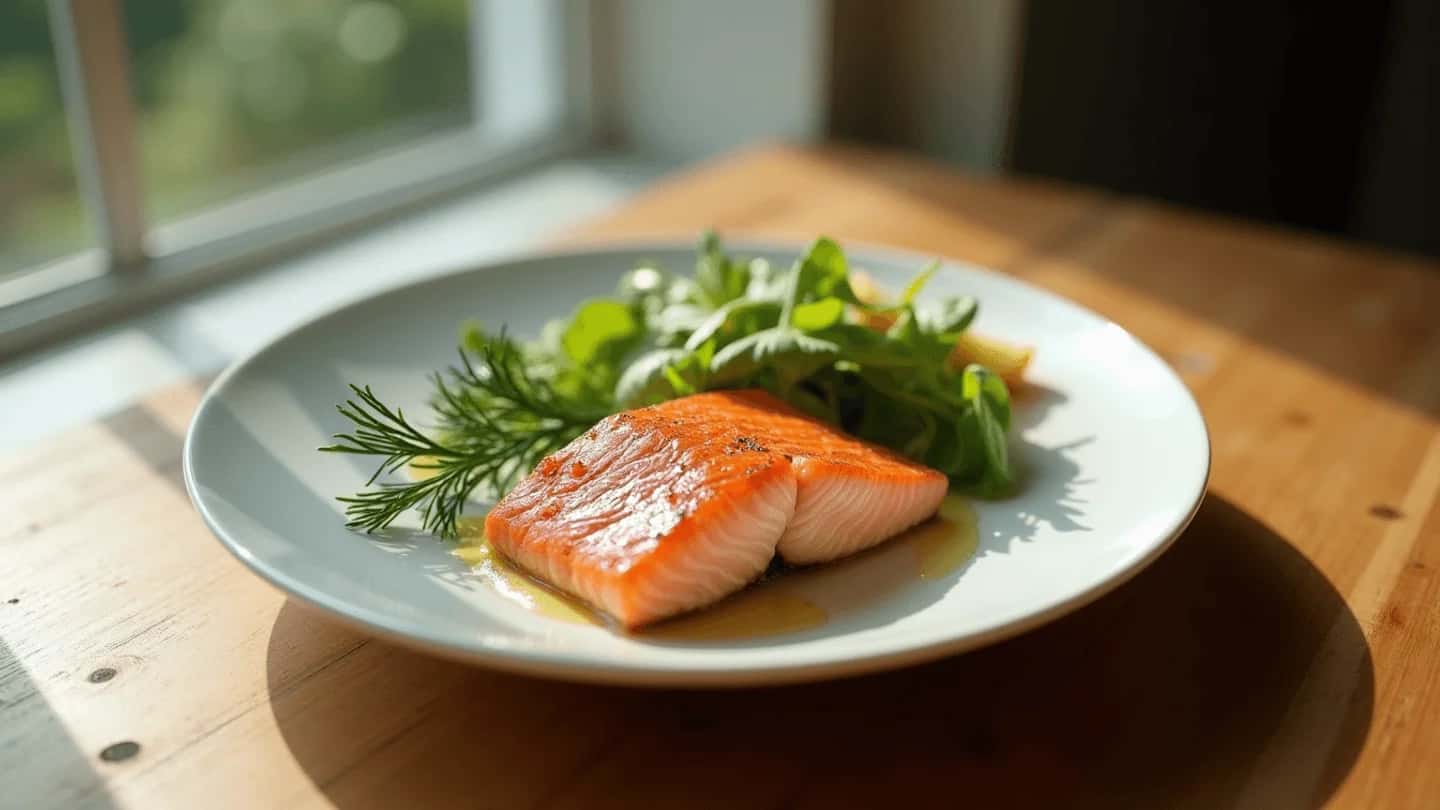
- Frozen broccoli + salmon + lemon + olive oil (sheet‑pan)
- Frozen peppers/onions + eggs + feta (quick scramble)
- Frozen spinach + lentils + curry paste (one‑pot)
- Frozen mixed veg + tofu + soy/ginger (stir‑fry)
Frozen vs canned vs fresh: which should you buy?
All three can fit a healthy diet. Here’s the practical rule:
- Fresh: best when it’s truly fresh and you’ll eat it soon
- Frozen: best for convenience, consistency, and year‑round variety
- Canned: great for pantry backups (choose low‑sodium, rinse when possible)
If you’re trying to eat more vegetables, frozen is often the easiest “default” because it removes the two biggest barriers: spoilage and prep time.
Storage tips for best quality
- Keep it cold: a consistently cold freezer helps maintain quality over time.
- Seal well: squeeze out excess air or use a clip to reduce freezer burn.
- Don’t refreeze repeatedly: thaw‑refreeze cycles degrade texture and quality.
- Use older bags first: rotate your freezer like a pantry.
FAQs
Are frozen vegetables as healthy as fresh?
Often, yes. Many frozen vegetables are nutritionally comparable to fresh, and frozen can be a better choice than “fresh” produce that’s been stored for days.
Do frozen vegetables count as “processed” food?
They’re typically minimally processed (washed, cut, blanched, frozen). That’s very different from ultra‑processed foods. The main “watch‑out” is added sauces, sugar, and excess sodium.
Should you wash frozen vegetables?
Most are washed before freezing. If the package says “ready to cook” or provides cooking instructions, follow them. When in doubt, cook as directed instead of relying on rinsing.
Can you use frozen vegetables in smoothies?
Many people do—especially with frozen spinach or cauliflower. But check package guidance; some frozen vegetables are meant to be cooked. For higher‑risk individuals, it’s safer to use items labeled for raw use or to cook and cool them first.
The bottom line
The best “health hack” is the one you’ll actually do consistently. For most households, the frozen vegetables health benefits come down to this: frozen veggies make healthy eating easier. Keep a few bags on hand, choose plain options, cook them well, and you’ll get more plants, more fiber, and more micronutrients—without needing perfect timing at the grocery store.
Note: This article is for educational purposes and isn’t a substitute for personalized medical advice.
Scientific References
- The Relationship between Vegetable Intake and Weight Outcomes: A Systematic Review of Cohort Studies (Monica Nour, S. Lutze, Amanda Grech et al., 2018) | View Study ↗
- Fruit and vegetable consumption and mortality from all causes, cardiovascular disease, and cancer: systematic review and dose-response meta-analysis of prospective cohort studies (Xiaohua Wang, Yihang Ouyang, Jian Liu et al., 2014) | View Study ↗
- Fruit, vegetable, and legume intake, and cardiovascular disease and deaths in 18 countries (PURE): a prospective cohort study (Victoria Miller, Andrew Mente, Mahshid Dehghan et al., 2017) | View Study ↗