Astaxanthin: Benefits and Uses for Health
Astaxanthin is a potent antioxidant with benefits for skin, heart, and athletic performance. Learn how to include it in your diet.

Key Takeaways
- ✓Astaxanthin is a powerful antioxidant
- ✓It supports skin health and reduces wrinkles
- ✓Astaxanthin enhances athletic performance by reducing muscle damage
- ✓It is found naturally in seafood like salmon and shrimp
- ✓Consult a healthcare provider before starting supplements
Astaxanthin, a powerful antioxidant, is making waves in the health community for its impressive astaxanthin benefits. Known for its vibrant red pigment, it’s commonly found in marine life like salmon and shrimp. But what exactly makes astaxanthin so beneficial for your health?
What is Astaxanthin?
Astaxanthin is a carotenoid, a type of pigment that gives certain marine animals their red-orange color. Unlike other antioxidants, astaxanthin is unique in its ability to cross the blood-brain barrier, allowing it to protect brain cells from oxidative stress. This quality sets it apart from other carotenoids like beta-carotene and lutein.
Moreover, astaxanthin is known for its potent anti-inflammatory properties. This makes it a popular choice for those seeking natural ways to reduce inflammation in the body. Its antioxidant capacity is reportedly 6,000 times stronger than vitamin C, making it a formidable ally against free radicals.
Health Benefits of Astaxanthin
Astaxanthin’s benefits extend beyond just its antioxidant properties. It has been shown to support skin health by reducing wrinkles and improving skin elasticity. This is particularly beneficial for those looking to maintain youthful skin as they age.
Additionally, astaxanthin may play a role in enhancing cardiovascular health. By reducing oxidative stress, it helps in maintaining healthy cholesterol levels and supporting heart function. Furthermore, some studies suggest that astaxanthin can enhance immune response, providing an added layer of protection against illnesses.
Astaxanthin Benefits in Sports Performance
For athletes and fitness enthusiasts, astaxanthin can be a significant advantage. Its ability to reduce muscle damage and improve endurance makes it a popular supplement in the sports industry. By reducing lactic acid buildup, astaxanthin helps athletes recover faster from intense workouts.
Moreover, its anti-inflammatory properties aid in reducing joint pain and stiffness, allowing for more effective training sessions. As a result, many athletes incorporate astaxanthin into their regimen to boost performance naturally.
How to Incorporate Astaxanthin into Your Diet
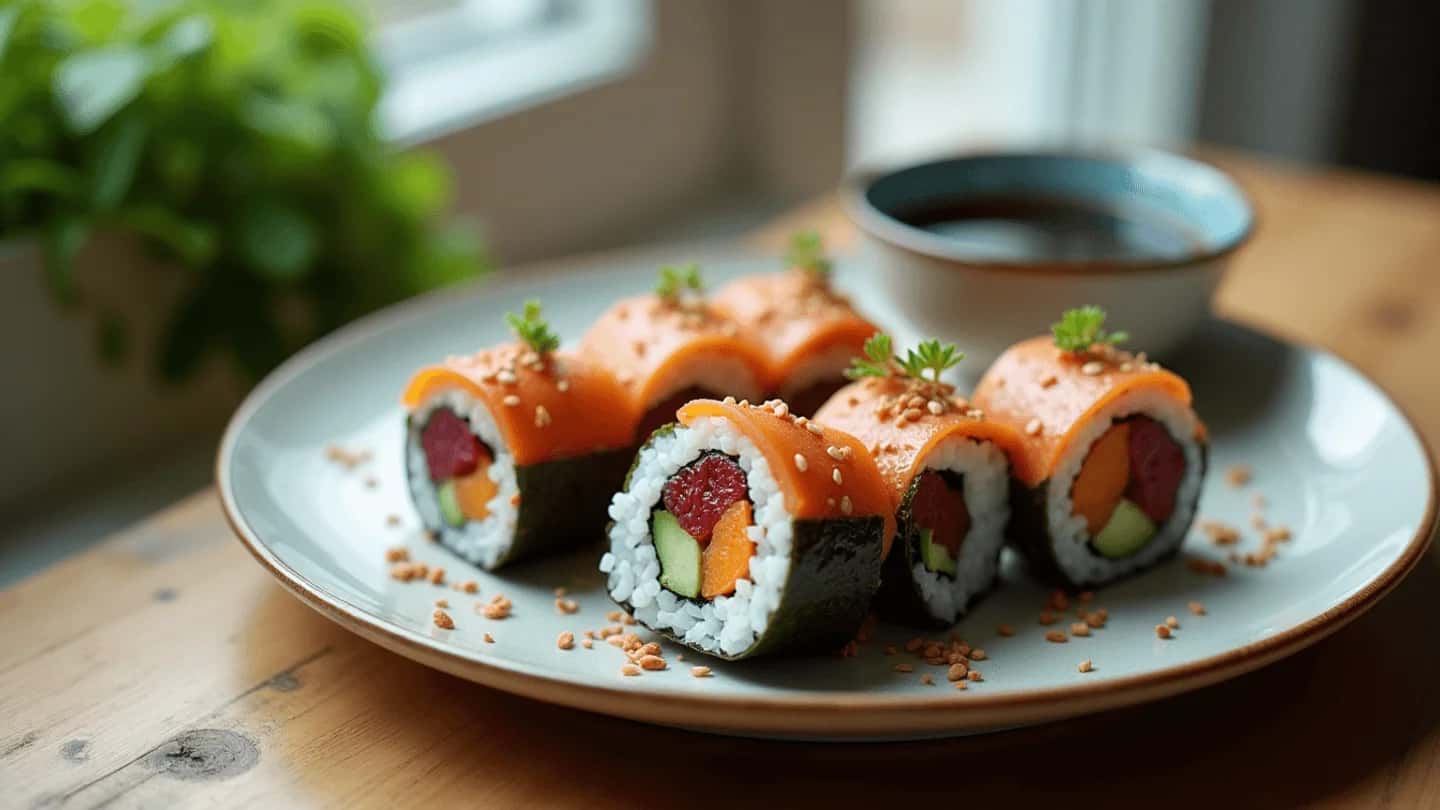
Incorporating astaxanthin into your diet can be as simple as consuming more seafood like salmon, trout, and shrimp. These foods are rich in astaxanthin and provide a natural source of this powerful antioxidant. For those who prefer supplements, astaxanthin is widely available in capsule form.
When choosing a supplement, ensure it comes from a reputable source to maximize its benefits. Always consult with your healthcare provider before starting any new supplement, especially if you have underlying health conditions or are pregnant.
FAQ
How does astaxanthin benefit skin health?
Astaxanthin helps reduce wrinkles and improves skin elasticity by combating oxidative stress, making it beneficial for maintaining youthful skin.
Can astaxanthin improve athletic performance?
Yes, astaxanthin reduces muscle damage and lactic acid buildup, enhancing endurance and aiding recovery in athletes.
Is astaxanthin safe for everyone?
While generally safe, it’s best to consult a healthcare provider before starting astaxanthin supplements, especially for pregnant individuals or those with health conditions.
Where can I find astaxanthin naturally?
Astaxanthin is found in seafood like salmon, trout, and shrimp. These foods provide a natural source of this antioxidant.
For more detailed information on astaxanthin, you can read about its effects on the National Institutes of Health website.
Scientific References
- Exploring the benefits of astaxanthin as a functional food ingredient: Its effects on oxidative stress and reproductive outcomes in women with PCOS - A systematic review and single-arm meta-analysis of randomized clinical trials (Rodrigues VD, Boaro BL, Laurindo LF et al., 2025) | View Study ↗
- Randomized controlled trial of astaxanthin impacts on antioxidant status and assisted reproductive technology outcomes in women with polycystic ovarian syndrome (Gharaei R, Alyasin A, Mahdavinezhad F et al., 2022) | View Study ↗
- Impact of astaxanthin on oxidative markers, uric acid, and clinical symptoms in heart failure: a randomized clinical trial (Mohammadi SG, Shafie D, Feizi A et al., 2025) | View Study ↗
- The effects of astaxanthin supplementation on obesity, blood pressure, CRP, glycemic biomarkers, and lipid profile: A meta-analysis of randomized controlled trials (Xia W, Tang N, Kord-Varkaneh H et al., 2020) | View Study ↗
- The anti-inflammatory and antioxidant effects of astaxanthin as an adjunctive therapy in community-acquired pneumonia: a randomized controlled trial (Youssef FM, Ateyya H, Hanna Samy AE et al., 2025) | View Study ↗