Electrolytes 101: Hydration Without the Hype
Electrolytes aren’t magic—they’re minerals that help regulate fluid balance and nerve/muscle function. This guide explains when you need extra sodium/potassium, how to choose drinks for exercise or illness, and how to avoid overhydration.

Key Takeaways
- ✓Use electrolytes when losses are high (long/hot workouts, heavy sweating, illness)
- ✓Most days, water + normal meals is enough
- ✓Sodium helps retain fluids; potassium is best increased via food
- ✓For vomiting/diarrhea, use ORS—not sports drinks
- ✓Avoid overdrinking plain water during endurance events
Electrolytes have become the “secret sauce” of hydration marketing. In reality, they’re just charged minerals—mainly sodium, potassium, chloride, magnesium, and calcium—that help your body move water where it needs to go and keep nerves and muscles firing properly.
The trick is timing: most days, water + normal meals is enough. But when sweat losses are high, when you’ve been sick, or when you’re trying to perform for more than an hour, electrolytes can be the difference between “fine” and “why am I cramping and peeing every 10 minutes?”
What electrolytes actually do
Electrolytes help maintain fluid balance between the inside and outside of cells, support nerve signaling, and drive muscle contraction. Sodium is the main electrolyte outside cells; potassium is the main electrolyte inside cells. That sodium–potassium balance is one reason hydration isn’t just “drink more water.”
In plain terms: electrolytes help you retain and distribute the fluid you drink instead of flushing it straight out.
When you probably don’t need an “electrolyte drink”
- Normal daily life (desk job, mild activity, moderate weather)
- Workouts under 60 minutes at comfortable intensity
- Eating regular meals (especially if they include salted foods)
If your urine is pale straw-colored most of the day and you’re not getting dizzy, headachy, or unusually fatigued, you’re likely doing fine.
When electrolytes are useful (and why)
1) Long or hot workouts
During longer sessions or high heat, you lose both water and sodium through sweat. Replacing only water can dilute blood sodium—especially if you drink a lot—raising the risk of exercise-associated hyponatremia. Electrolytes (mostly sodium) can improve fluid retention and make it easier to drink the right amount.
Practical target: for exercise longer than ~60–90 minutes (or very sweaty sessions), consider fluids that contain sodium. The “right” amount depends on your sweat rate and conditions, but a moderate sodium range in a drink is often a good starting point.
2) Heavy sweaters or salty sweaters
Some people lose more sodium than others (genetics, heat acclimation, intensity, clothing, environment). Signs you might be a higher sodium sweater: white salt streaks on clothes/skin, stinging eyes from sweat, frequent cramps, or feeling “wrecked” after heat sessions even if you drank plenty of water.
3) Vomiting/diarrhea
Illness can cause rapid fluid and electrolyte losses. Oral rehydration solutions (ORS) are specifically designed to replace both water and electrolytes efficiently. They’re not the same as sports drinks: ORS has a tighter electrolyte + carbohydrate balance to support absorption.
4) Low-carb transitions
When people drop carbohydrates sharply, they often excrete more water and sodium early on. If you’re doing a short-term lower-carb phase and suddenly feel lightheaded or “flat,” extra sodium and fluids may help.
How to pick the right hydration option
Option A: Water + meals (default)
If you’re eating normally, you’re already getting sodium (and often too much) from food. Potassium usually comes from fruits, vegetables, dairy, legumes, and potatoes. For most people, this is enough.
Option B: Sports drink (performance focus)
For intense exercise longer than an hour, a drink with both carbohydrate + sodium can support performance by helping maintain blood glucose and encouraging fluid intake. This is the “race day” category, not the “Tuesday office hydration” category.
Option C: ORS (illness/rapid rehydration focus)
If you’re sick with significant fluid losses, ORS is usually the most efficient oral option. It’s designed for rehydration, not taste. Keep packets at home for “just in case” days.
Option D: DIY “good enough” electrolyte
If you don’t want powders, try this simple approach for long/hot training days:
- Water bottle
- A pinch of salt (start small)
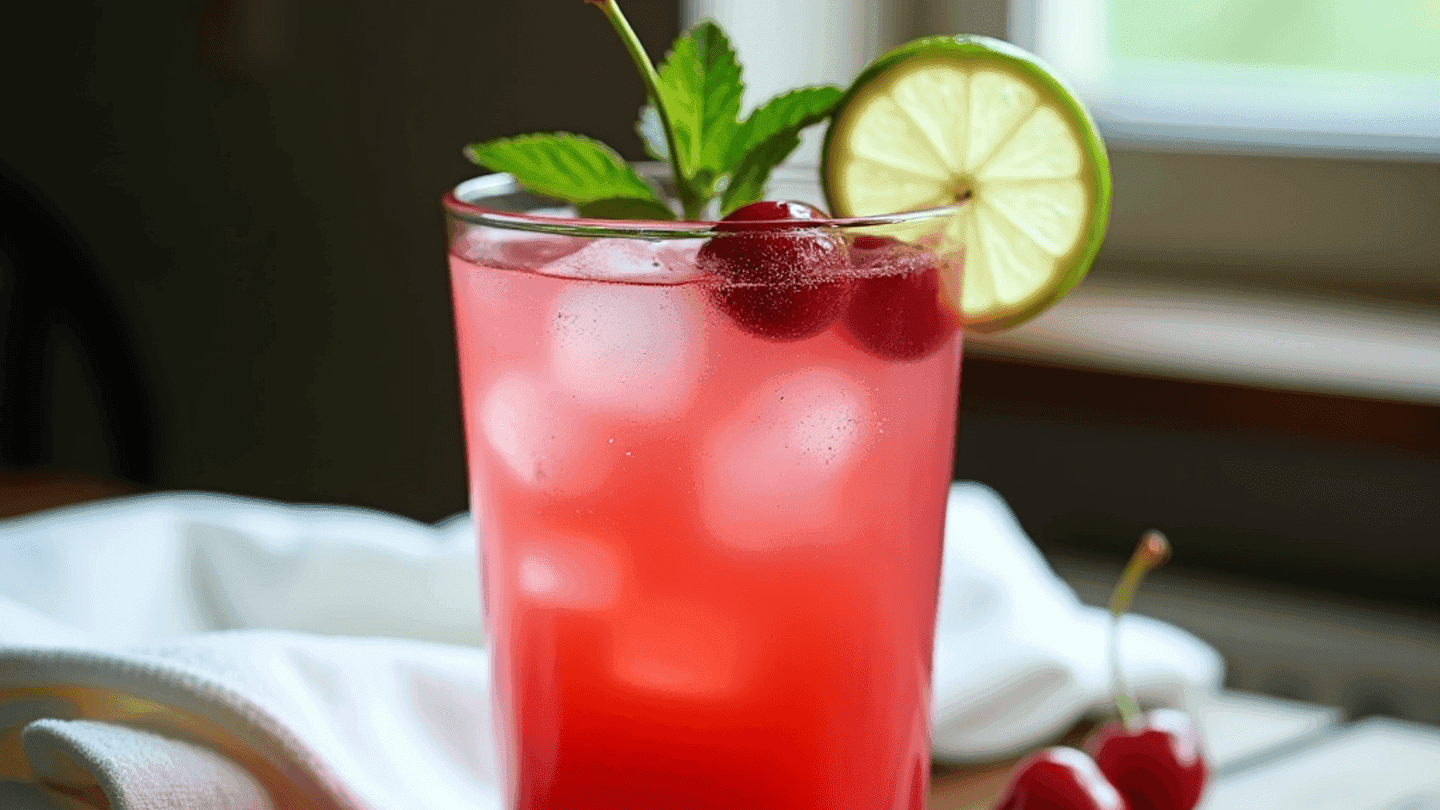
- Optional: a squeeze of lemon/lime for taste
- Optional: a bit of carbohydrate (juice, honey) if training hard/long
It won’t match ORS precision, but it’s often better than “just water” for sweaty sessions.
How to avoid the two common mistakes
Mistake 1: Overhydrating with plain water
More water isn’t always better. Drinking far beyond thirst—especially in endurance events—can dilute sodium. A better strategy is to learn your sweat rate in hot conditions and use thirst, body weight changes, and performance cues as guardrails.
Mistake 2: Turning electrolytes into an all-day habit
Electrolyte products often add meaningful sodium. If you’re already eating a typical modern diet, you likely don’t need extra sodium all day. Use electrolytes when the situation demands it: long/hot training, heavy sweating, travel dehydration, or illness.
Food-first electrolyte sources
- Sodium: salted foods, soups/broths (useful post-sweat)
- Potassium: potatoes, bananas, beans/lentils, yogurt, leafy greens
- Magnesium: pumpkin seeds, nuts, whole grains, cocoa
For most people, increasing potassium-rich foods is a better long-term move than adding more sodium.
Quick hydration checklist
- Short workout, cool weather → water
- Long/hot workout or heavy sweating → water + sodium (and carbs if intense/long)
- Vomiting/diarrhea → ORS
- Frequent headaches/dizziness in heat → check sodium + total fluids
Sodium, Potassium, and Magnesium: A Priority Order
For sweat replacement, the three main electrolytes are not equally important. Sodium is the primary lever because it is the mineral you lose in the largest amounts through sweat, and it helps you hold onto the fluid you drink. Potassium matters for cellular fluid balance and muscle function, but sweat losses are smaller and most people meet their needs through food. Magnesium supports muscle and nerve function over time, but it is not a quick fix for acute sweat losses.
Practical dosing during exercise:
- Sodium: about 300–600 mg per hour for general sweaty training, rising to 600–1,000 mg per hour for hot or long endurance sessions.
- Potassium: roughly 100–300 mg per serving in most mixes is enough to support balance; food covers the rest.
- Magnesium: useful for overall intake, but do not rely on it to replace sodium during long, hot efforts.
Start on the lower end and adjust based on thirst, how you feel, and urine color. Aim for light straw, not completely clear, which can be a sign you are overdrinking plain water.
Electrolytes Aren’t Just for Athletes
Everyday factors, not just exercise, affect electrolyte balance. Diet, certain medications, and illness-related fluid loss can all shift your levels. The CDC suggests general daily targets of about 2,300 mg of sodium and 4,700 mg of potassium for adults, and most people get plenty of sodium from a typical diet while falling short on potassium. If you frequently feel sluggish or notice muscle cramps unrelated to training, and especially if you take blood pressure or fluid-related medications, it is worth discussing your balance with a clinician.
How Much Total Fluid Do You Actually Need?
The familiar “eight 8-ounce glasses a day” is a reasonable starting point, not a strict rule. The National Academies of Sciences, Engineering, and Medicine suggests roughly 3.7 liters of total fluid per day for men and 2.7 liters for women, counting all beverages and food. Water-rich foods such as fruits and vegetables can contribute up to about 20 percent of your daily intake. Caffeine and alcohol have a mild diuretic effect, so balance them with water rather than counting on them as your main hydration source.
Does the Evidence Support Electrolytes for Performance?
For longer efforts, the research is supportive. The American College of Sports Medicine advises drinking about 400–800 ml of a sodium-containing sports beverage per hour for exercise lasting longer than an hour. In a study reported by the National Institutes of Health, athletes who drank electrolyte beverages during exercise experienced less fatigue and better endurance than those who drank plain water. For a low-cost homemade option, combine 500 ml of water, 2 tablespoons of lemon juice, 1 tablespoon of honey, and a pinch of sea salt; it supplies fluid, a little carbohydrate, and sodium without artificial additives.
How to Choose an Electrolyte Powder
If you decide a powder is worth it, ignore the marketing and read the label:
- Sodium per serving: match it to how much you actually sweat; higher is not automatically better.
- Added sugar: useful during long or intense training, unnecessary for everyday hydration.
- Clear potassium and magnesium labeling: you should be able to see the amounts, not guess.
- Taste you can tolerate: the best product is the one you will actually drink consistently.
Beyond Hydration: Cognition and Heart Health
Electrolytes do more than move water. Stable sodium levels support nerve signaling in the brain, and even mild dehydration with electrolyte imbalance can contribute to headaches, poor concentration, and mood changes. Potassium and magnesium help regulate blood pressure and keep your heartbeat steady; chronically low levels are associated with irregular heart rhythms. A diet built around fruits, vegetables, leafy greens, nuts, and seeds covers these needs for most people without supplements.
FAQ
Do electrolytes help with cramps?
Sometimes. Cramps can be multifactorial (fatigue, conditioning, pacing, heat stress). If cramps happen mainly in hot, sweaty sessions, sodium + fluids may help. If cramps happen randomly, look at training load, sleep, and overall recovery.
Are “zero sugar” electrolytes enough?
For hydration, they can be. For performance during long/intense sessions, some carbohydrate can help. Choose based on the goal: hydration vs performance.
Can you get too much potassium?
From food, it’s rarely an issue for healthy people. High-dose potassium supplements can be risky for those with kidney disease or certain medications—use caution and ask a clinician if you’re unsure.
Do electrolytes detox you?
No. Electrolytes support hydration and mineral balance; they do not “detox” the body. Your kidneys and liver handle that work. Use electrolytes to replace what you lose through sweat or illness, not as a cleanse.
Do caffeinated drinks count toward hydration?
Yes. All fluids, including coffee and tea, contribute to your daily hydration. Caffeine has a mild diuretic effect, so balance caffeinated drinks with water rather than relying on them alone.
Bottom line
Electrolytes aren’t a daily “hack.” They’re a tool. Use them when you’re actually losing electrolytes—long/hot workouts, heavy sweating, or illness—and keep the rest of your hydration simple: water, balanced meals, and potassium-rich foods.
Note: This article is for general education and does not replace medical advice. If you have kidney disease, heart failure, or take blood pressure medications, talk to a qualified clinician before using high-sodium or high-potassium products.
Scientific References
- Aggressive fluid and sodium restriction in acute decompensated heart failure: a randomized clinical trial (Aliti GB, Rabelo ER, Clausell N et al., 2013) | View Study ↗
- Effect of hydration on spontaneous labor outcomes in nulliparous pregnant women: a multicenter randomized controlled trial comparing three methods (Edwards RK, Reed CA, Villano KS et al., 2014) | View Study ↗
- The chronic kidney disease Water Intake Trial (WIT): results from the pilot randomised controlled trial (Clark WF, Sontrop JM, Huang SH et al., 2013) | View Study ↗
- Prevention of Urinary Stones With Hydration (PUSH): Design and Rationale of a Clinical Trial (Scales CD Jr, Desai AC, Harper JD et al., 2021) | View Study ↗
- Magnesium and Hypertension in Old Age (Ligia J. Domínguez, Nicola Veronese, Mario Barbagallo, 2020) | View Study ↗
- Electrolyte Beverage Intake to Promote Hydration and Maintain Kidney Function in Guatemalan Sugarcane Workers Laboring in Hot Conditions (Krisher L, Butler-Dawson J, Yoder H et al., 2020) | View Study ↗
- Oral rehydration solutions in non-cholera diarrhea: a review (Atia AN, Buchman AL, 2009) | View Study ↗
- The Hyperhydration Potential of Sodium Bicarbonate and Sodium Citrate (Siegler JC, Carr AJ, Jardine WT et al., 2022) | View Study ↗
- Effect of lower sodium intake on health: systematic review and meta-analyses (Nancy Aburto, A. Ziolkovska, Lee Hooper et al., 2013) | View Study ↗
- The story of coffee: legend and truth (Muñoz-Pajares AJ, Várzea V, Silva MDC, 2023) | View Study ↗
- Scientific revolution (Fugo RJ, 2006) | View Study ↗
- The Overlooked Role of Specimen Preparation in Bolstering Deep Learning-Enhanced Spatial Transcriptomics Workflows (Fatemi MY, Lu Y, Diallo AB et al., 2023) | View Study ↗
- Designing Experiments for Physiological Phenomics (Thompson A, Kantar M, Rainey K, 2022) | View Study ↗
- Impact of sperm DNA chromatin in the clinic (Ioannou D, Miller D, Griffin DK et al., 2016) | View Study ↗