Carrots Health Benefits: Vision, Skin, Gut Health, and More
Carrots are a low‑calorie, fiber‑rich vegetable packed with carotenoids (including beta‑carotene) that your body can convert to vitamin A. They support eye and skin health, digestion, and heart health—and they’re easy to eat raw or cooked.

Key Takeaways
- ✓Carrots are rich in carotenoids (like beta‑carotene) that your body can convert to vitamin A.
- ✓Their fiber supports digestion, fullness, and healthier post‑meal blood sugar patterns.
- ✓Carotenoids + potassium support heart and blood vessel health as part of a veggie‑rich diet.
- ✓Cooked carrots with a little healthy fat can improve carotenoid absorption.
- ✓Very high intake can cause harmless carotenemia (yellow‑orange skin tint) that resolves when intake decreases.
Let’s talk carrots health benefits—because this humble orange root is quietly one of the best “default” vegetables you can keep around. Carrots are affordable, easy to store, easy to cook, and packed with plant compounds (especially carotenoids like beta‑carotene) that your body can use to support vision, skin, and overall health.
Below is a practical, science‑aligned guide to what carrots can do for you, how to eat them for maximum benefit, and a few common myths (hello, night vision) explained without the superhero cape.
Quick take: why carrots are good for you
- Carotenoids (beta‑carotene) in carrots can be converted to vitamin A, which supports normal vision and immune function.
- Fiber supports digestion, helps with fullness, and can contribute to steadier blood sugar responses.
- Potassium + antioxidants support heart and blood vessel health as part of an overall vegetable‑rich diet.
- They’re versatile: raw for crunch and convenience, cooked for comfort and often better carotenoid absorption.
What’s inside carrots: nutrition snapshot
Carrots are mostly water with a modest amount of carbohydrate and a meaningful amount of fiber. Their “headline” nutrient is beta‑carotene (a provitamin A carotenoid), but they also provide smaller amounts of vitamin C, vitamin K, and minerals like potassium.
Color matters: orange carrots are richest in beta‑carotene; purple carrots tend to have more anthocyanins; yellow carrots can be higher in lutein. Mixing colors is an easy way to widen the range of protective plant compounds you get.
Top carrots health benefits (the ones that actually matter)
1) Vision support (yes, carrots help—just not like a video game power‑up)
Your eyes use vitamin A‑related compounds in the retina to help convert light into signals your brain can read. Because carrots are rich in provitamin A carotenoids, they can help you meet vitamin A needs through diet. This supports normal vision, including the ability to adapt to lower‑light conditions. That said, carrots won’t “fix” your eyesight if you need glasses—think support, not superpowers.
2) Skin support and a healthy “glow” (from the inside out)
Vitamin A plays a role in normal cell growth and differentiation, which is part of why adequate intake supports healthy skin. Carotenoids also act as antioxidants, helping your body manage oxidative stress. Translation: carrots won’t replace sunscreen, but they’re a smart addition to a skin‑supportive diet.
3) Gut health: fiber that feeds you (and your microbes)
Carrots contain a mix of insoluble fiber (great for bowel regularity) and soluble fibers/pectin‑like compounds that can be fermented by gut bacteria. A healthier fiber routine often means easier digestion, better stool consistency, and more “I’m full” signals after meals.
4) Heart support: a vegetable that plays well with blood pressure
Carrots provide potassium and a range of antioxidant compounds. While no single food is a magic shield, higher overall vegetable intake is consistently linked with better cardiovascular outcomes in long‑term studies. Adding carrots is one simple way to raise your “vegetable baseline.”
5) Blood sugar: the carrot‑GI myth, explained
Carrots sometimes get labeled “high glycemic,” especially when people look at cooked carrots in isolation. In real life, portion size and fiber matter. Carrots have relatively few digestible carbs per serving, and they’re often eaten with protein/fat (hummus, yogurt dips, meals), which slows glucose rise. If you have diabetes, carrots can fit well in balanced meals—especially when you pair them with protein and healthy fats.
6) Weight management: low‑calorie crunch that helps you feel satisfied
Volume + water + fiber is a classic satiety combo. Carrots are a great snack or side when you want something that feels substantial without a lot of calories. Pro tip: keep washed carrots in the fridge so “healthy” is as convenient as possible.
7) Antioxidant variety: carotenoids and beyond
Carrots aren’t just beta‑carotene. They also contain other carotenoids and unique plant compounds (including certain polyacetylenes studied for biological activity). You don’t need to memorize them—just know that carrots bring more to the table than “vitamin A.”
Raw vs cooked carrots: which is better?
Both are great. Here’s the practical version:
- Raw: more crunch, often a bit more vitamin C preserved, excellent for satiety and snacking.
- Cooked: softer texture, easier digestion for some people, and carotenoids may become more bioavailable.
Best simple upgrade: eat cooked carrots with a little fat (olive oil, tahini, avocado, eggs). Carotenoids are fat‑soluble, and that small add‑on can improve absorption.
How to eat more carrots without getting bored
- Roasted: olive oil + salt + cumin (or smoked paprika). Roast until edges caramelize.
- Grated: toss into salads, yogurt bowls (yes), or slaws with lemon and herbs.
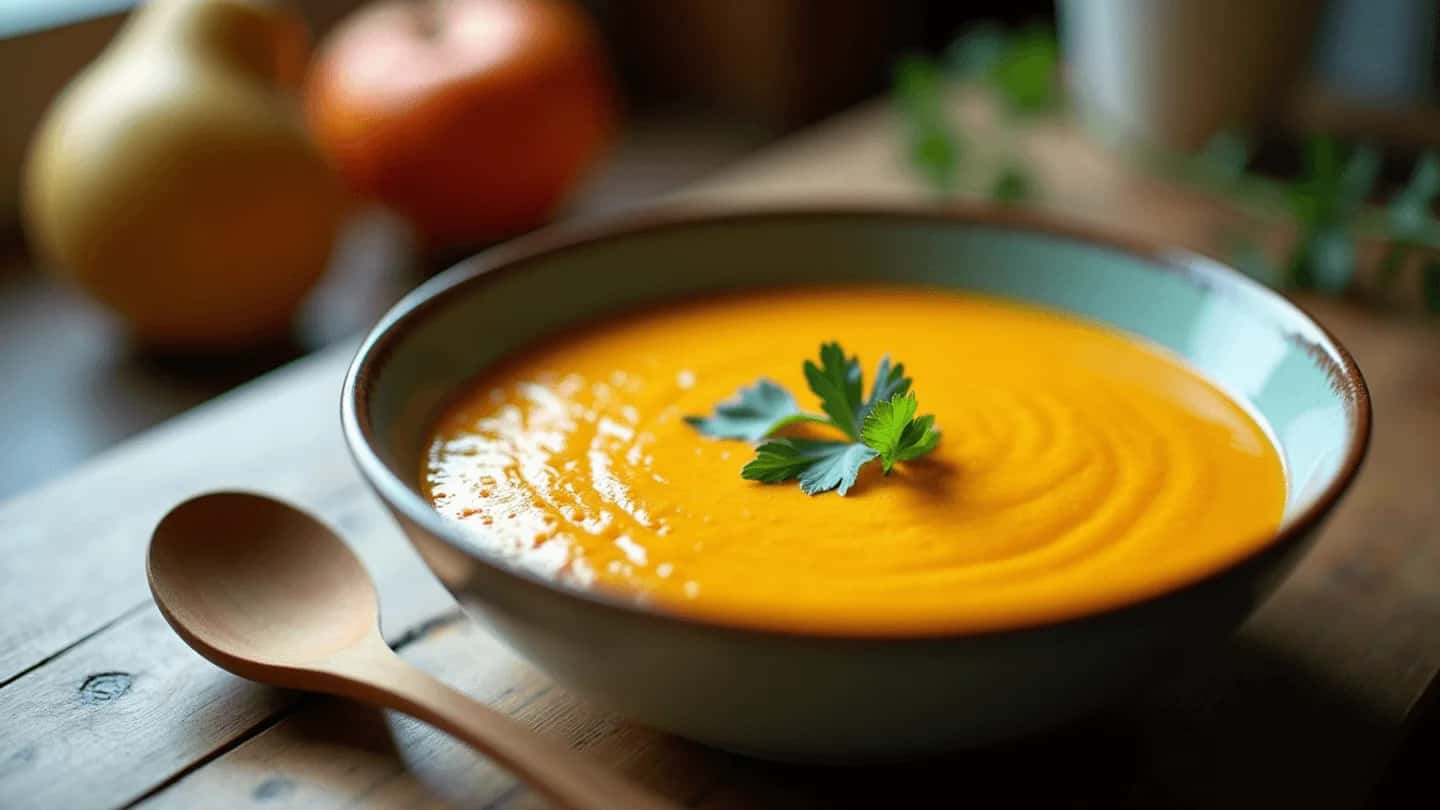
- Soups: blend roasted carrots with ginger and a spoon of yogurt for creaminess.
- Snacks: carrots + hummus, cottage cheese dip, or a nut‑butter drizzle (unexpected, but it works).
- In meals: add to rice, lentils, stir‑fries, or sheet‑pan dinners for sweetness and color.
How much should you eat?
A simple starting point is one serving a day—roughly one medium carrot or about ½–1 cup chopped, depending on how you prepare it. If you already eat plenty of vegetables, carrots can simply be part of your rotation. If vegetables are “hit or miss,” carrots are a great “gateway veg” because they’re sweet, mild, and easy to keep on hand.
Potential downsides and who should be cautious
- Carotenemia: eating very large amounts of carrots can cause a harmless yellow‑orange tint to the skin. It’s reversible when intake goes back to normal.
- Allergies: people with pollen‑food syndrome (oral allergy syndrome) can react to raw carrots; cooked carrots may be better tolerated.
- Vitamin A supplements: carrot carotenoids are not the same risk profile as high‑dose preformed vitamin A supplements. If you take supplements, follow clinician guidance—especially during pregnancy.
Buying and storing carrots (so they stay crisp)
- Look for firm, bright carrots without limp ends.
- Store in the fridge in a sealed container/bag with a paper towel to reduce excess moisture.
- If carrots get floppy, soak briefly in cold water to bring back some crunch.
Deep dive: beta‑carotene and vitamin A (in plain English)
Carrots are famous for beta‑carotene because your body can convert it into vitamin A as needed. Vitamin A supports normal vision and helps maintain tissues like the lining of your eyes and respiratory tract. The conversion process is regulated (your body converts more when you need it and less when you don’t), and it can vary by genetics, gut health, and whether you eat carrots with a little fat. Practical takeaway: carrots are an excellent food source of provitamin A, and cooking plus a bit of healthy fat (olive oil, tahini, avocado, eggs) can improve carotenoid absorption.
Carrots and immune support
Vitamin A supports immune function and helps maintain barrier tissues (like skin and mucous membranes). You don’t need mega‑doses; you need consistency. Adding carrots to soups, stews, and winter meals is an easy way to support your overall nutrient pattern when colds and flu are doing their annual tour.
Carrots for bone and blood vessel health
Carrots provide smaller amounts of vitamin K and potassium. Vitamin K supports normal blood clotting and bone health, while potassium helps counterbalance dietary sodium and supports healthy blood pressure. Again: carrots are not a supplement. They’re a simple “nudge” in the right direction inside an overall balanced diet.
Whole carrots vs carrot juice
- Whole carrots keep the fiber, which supports digestion and satiety.
- Juice can deliver carotenoids quickly, but it removes most of the fiber and is easier to overconsume.
If you love carrot juice, consider blending (smoothie) instead of juicing so you keep more of the fiber—or treat juice as a small add‑on, not a replacement for vegetables.
Do baby carrots “lose nutrients”?
Baby carrots are simply peeled and cut carrots. They’re still carrots. If convenience means you eat more vegetables, baby carrots are doing their job perfectly.
Bonus: don’t throw away carrot tops
If your carrots come with greens attached, the tops are edible. Use them like a mild herb: blend into pesto, chop into salads, or stir into soups at the end. It’s a simple way to reduce food waste and add variety.
A simple “carrot habit” you can actually stick to
- Weekdays: keep a container of washed carrots ready to grab.
- At lunch: add one carrot side (raw sticks, grated salad, or roasted leftovers).
- At dinner: roast a tray once, then reuse in bowls, soups, and sheet‑pan meals.
That’s it. No detox. No cleanse. Just a repeatable habit that nudges your diet in a healthier direction.
FAQ
Do carrots really help you see better?
They support normal vision because their carotenoids can be converted into vitamin A. If you’re deficient, correcting that can help. But they won’t replace glasses or give you night‑vision mode.
Are carrots good for weight loss?
They can help because they’re low‑calorie and filling. Use them to add volume to meals and as a go‑to snack with protein (hummus, yogurt, cottage cheese dip).
Are cooked carrots “too sugary”?
In normal portions, no. Portion size and meal context matter more than the “GI number.” Pair carrots with protein/fat and enjoy them as part of balanced meals.
Bottom line
Carrots are one of the easiest upgrades you can make to your everyday diet. For most people, the best strategy is simple: eat them regularly, mix raw and cooked, and add a little healthy fat when you cook them. Small habit, big payoff—exactly the kind of nutrition math we like.
Scientific References
- Beneficial Role of Phytochemicals on Oxidative Stress and Age-Related Diseases (Cinzia Forni, Francesco Facchiano, Manuela Bartoli et al., 2019) | View Study ↗
- Vitamin A and Pregnancy: A Narrative Review (Sabina Bastos Maia, Alex Sandro Rolland Souza, Maria de Fátima Costa Caminha et al., 2019) | View Study ↗
- Carotenoids Diet: Digestion, Gut Microbiota Modulation, and Inflammatory Diseases (Helena R. Rocha, Marta Coelho, Ana Gomes et al., 2023) | View Study ↗
- Critical review: vegetables and fruit in the prevention of chronic diseases (Heiner Boeing, Angela Bechthold, Achim Bub et al., 2012) | View Study ↗
- Fruit and vegetable consumption and mortality from all causes, cardiovascular disease, and cancer: systematic review and dose-response meta-analysis of prospective cohort studies (Xiaohua Wang, Yihang Ouyang, Jian Liu et al., 2014) | View Study ↗